But does it make you doubt yourself & all your knowledge when it does? When you personally suffer a health condition, from the small to the significant, does it always come with a double diagnosis; a bad bout of imposter syndrome being added for good measure? Do you think things like, ‘How can I be advising others when this is actually, in truth, my own (lack of) health?!’ That’s normal. Not helpful, of course. Nor rational, reasonable, appropriate or proportionate. But when you work in health, being unrelentingly hard on yourself about absolutely anything that looks or sounds or feels like less than optimal, is unfortunately an occupational hazard. ‘Well, what kind of an expert or an ad for health, am I then?!’ But sick happens to us all.
I don’t think we talk about this enough.
For most of us health is not a job, it’s an identity. And an identifier, used by others, of us. Friends, family, neighbours, networks. Almost everyone else just has a job right?! Instead we live a life...that is the embodiment of our occupation. That’s a good thing of course – we hope we’re in a position to act on the information we have about health in our own lives & are able to walk the talk. But that doesn’t ever make us invulnerable to disease or immunis (a Latin adjective that originally indicated freedom from obligations but evolved into the medical concept of being protected from disease: ala immunity). But holding the two truths: I am a health practitioner & I am unwell – can cause us to crumble.
I recently got a voice message from a practitioner I’ve known & mentored for a long time. I could hear her fear & a bit of free-fall, as she told me she had been diagnosed with a substantial oestrogen dependent growth.
She didn’t speak per se to a sense of shame or her crisis of confidence in her own competence as a clinician but having been there myself, and many times (!), she didn’t need to. I sent her a voice message back along the lines of this, not making assumptions but offering gentle reassurance that if this was where she was going in her head – it was not uncommon or even unexpected but entirely misplaced. Her relief was palpable. Then I referred her to someone that knows all about this BS that can go on in our brains because she herself has been both an incredibly effective health professional caring for thousands of patients and has experienced several major health issues throughout her career. And tbh I see this as one of this practitioner’s serious super-powers🦸♀️
Her experiences of poor health only add to her expertise – they don’t diminish it.
Likewise I know other practitioners who are diabetic, have had their bowel removed, have heart conditions, ongoing infertility, total burn out, all different types of cancer – you name it – and I regularly refer to them all. Not only for their firsthand experience & unmatched expertise in these particular presentations but for something bigger than that they share with those in their care: fortitude, pragmatism & their understanding, with all of their being, that no matter how good your nutrition, how regulated your nervous system, nor how pristine your environment…Sick Happens.
If instead we feel the pressure to keep pretending we’re above illness – to imply that optimal wellness is a question only of will & your willingness to do the work!
Well that short-changes us all of the kind of super-power support I know is possible & we all deserve – and ensures the cycle of silence continues. I’ve been sharing a lot lately about what perimenopause has put in my path – as both obstacles and opportunities for fresh insight & understanding about this transition for women & myself. Now tell me, what’s been happening with you 🤗
Did you know that any supplement that ‘identifies as a food’ is subject to the same regulations as a sugary breakfast cereal? Yep. So in spite of 30% sugar content – the packaging and all advertising around said cereal, claims it’s a great source of…
PROTEIN Bs IRON
!
It’s a pretty low bar right?! Same same for ‘Superfood’ based supplements. Whether that’s freeze dried vegetable powder, whose marketing suggests it substitutes for ‘X serves of greens a day’, when in fact it provides the equivalent of less than 1/2 cup of kale, or ‘Oceanic sources of Magnesium’, which is actually Mg hydroxide – the oldest laxative around, or absolutely any of the offal offerings on the market right now – the scope for what you can say about your supplement is outrageously broad. Oh and you don’t need any independent analysis of its actual nutritional composition. And even if you did spend the money to have this performed (which is the case for only 1/8 of these offal offering companies we contacted in Australia) – you don’t need to declare what’s actually in there – outside of those mandated in food: kj, macros, sodium. Because you identify as a food! In addition to this, label warnings are not necessary and the so-called ‘RDIs’ applied are generally lower than our actual requirements – certainly as women, let alone pregnant or breastfeeding – but in spite of this you can state absolutes like, ‘This supplement provides 100% of the RDI’! Even when it doesn’t for the key demographic you’re marketing to! Oh and where were you made? Same place as the sugary cereal. A factory that specialises in UPF production!
Sounds a lot different from our regular heavily regulated supplements right?
But chances are even us trained professionals have fallen for ‘comparing the pair’ – based on what’s stated on their label and in their marketing.
Let alone the poor confused consumers!!
Now of course Offal is so ‘in’ right now because of its word association with: ‘Wild’, ‘Ancestral’, ‘Primal’. All mega marketing levers currently employed for crushing the competition. But has anyone really thought the offal offerings through, based on everything I’ve just outlined? And like most ‘Superfood Supplements’ you’d be streets ahead (nutritionally, economically, environmentally) if you just ate it. I mean have you done the maths on 3g of liver or spleen? Do you know what its food equivalent actually is?
No??? Banh mi peeps!🙄 I mean do yourselves a Foie gras and the Morcilla maths!!!
Yes it’s time we had a talk about our Offal Obsession and all so-called ‘Superfood’ supps…so if you just follow me🚶♂️ 👣
Offal Obsessions & Superfood Supps – Rewilded or Just Wild?
In pursuit of prescriptions that better align with our philosophy and principles, product development that implies a ‘rewilding’ of our remedies is appealing to many practitioners. And our motto of ‘food first’ appears to marry nicely with the increasing options for easily ingesting medicinal foods (algae, offal, ‘supergreens’, berries), in the form of capsules, pleasant-tasting powders etc. However, what’s often not understood when selecting these kinds of supplements are all the other things we’re agreeing to, which are implicit to all supplements ‘identifying as a food’ rather than a medicine. This is the third episode in our Supplement Boom series, where we get real about what ‘Superfoods’ and our current Offal Obsession are truly offering us and the key concerns and cautions.
You can purchase Offal Obsessions & Superfood Suppshere. If you are an Update in Under 30 Subscriber, you will this episode waiting for you in your online account. You can become an Update in Under 30 Subscriber to access this episode and the entire library of Update in Under 30 audios and resources here.
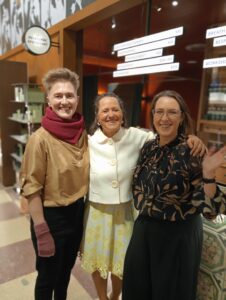
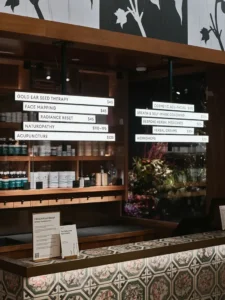
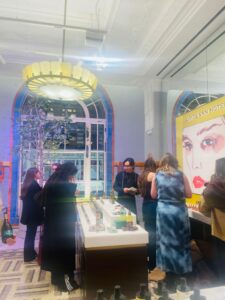
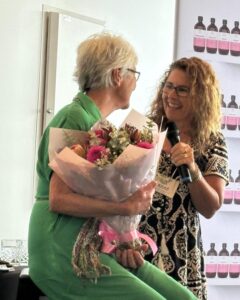
To the people who make up our profession… I’m just back from attending the opening of the Melbourne Apothecary/ Mecca collaboration in Melbourne CBD as one of Charmaine & Carly’s VIPPPs… Very Impressed Proud Privileged People
Everyone who knew I was attending wants to know the details of this extraordinary evening & describe what these women (and a TEAM of awesome individuals alongside them) have created and achieved. I can only respond with a GIF that conveys…I don’t have the words, my mind is truly blown. And it is.
This is the culmination of 2 years of their non-stop efforts. Pitching, planning, problem-solving & preparing, on a scale that most of us can not even imagine. But it’s also off the back of Charmaine’s 20+years of doing more of the same, running pioneering fertility practices in Melbourne. These guys impress the pants off me. But it’s not just them.
I’m surrounded by nats, nuts and herbalists who have collectively achieved almost anything and almost everything. Some have established food production farms, others grow medicinal herbs at scale, build apothecaries either large and small, set up annual conferences to educate their colleagues and communities, write and publish books, have launched a podcast, go work for government, set up patient programs, run ground-breaking group consults, work in research taking our great work global, open a clinic in rural and regional locations etc etc. And the new grads I’ve witnessed take their very first steps, crafting and creating their very own business branding and logo, perhaps setting up an online business. And for those of us a little more seasoned…maybe to have just kept on keeping on, to have faced barriers and re-routed, to have fallen down and got back up again…seriously…it is all impressive.
So look around and you might just fall in love all over again too. We only need to see ourselves to be inspired ♥️
Well this topic has certainly got us all talking. My inbox overfloweth! Good. Because in the current online climate of ‘Sacred Super Foods’ for kids, this conversation has to happen. I’m not batting for ‘beige baby foods’, however, with trends like this, my concern is that the kernel of truth they might have been based on, has been buried under a mountain of marketing and opportunities for monetisation. In my last blog I ruffled some serious feathers by saying, contrary to popular perception – iron deficiency & iron-deficiency anaemia is not a universal experience in Australian & NZ pre-schoolers. One of the common questions I had in response to this was, ‘but is this just being missed in most because so few are actually having their iron tested?’ Great thought and the answer to this and to my opening question: Are We Under-testing Toddlers, more generally, is….
No
In addition to, ‘name a parent that is going to opt for any not strictly necessary pain or stress for their child, there are some other solid reasons not to reflexively refer for testing 🧪Major misconceptions about which parameters are accurate at each age, e.g. Serum B12, even Transcobalamin II? – absolutely not. 💩Misuse of adult testing in paediatric patients, e.g. microbiome & gut tests only validated in individuals > 18yrs 😲😤 📈Even in those more tried & true tests like LFTs, Iron studies, reference ranges are ‘descriptive’ not what’s actually desirable, & popular ‘goals’ like S Ferritin of 50 mcg/L without foundation 🤯 🩸🩸 Every blood draw takes a little more iron & given it’s like gold in toddlers, any extra loss is significant & needs accounting for
And my answer is also….
Yes
Iron is an Achilles in kids’ nutrition but it’s of course not unique in that regard…think zinc, as one example of an equally worthy worry! 🎢But when the RDI suggests 1-3yo need MORE iron than men, well, ‘Houston, we have a problem!’👩🚀
Therefore ‘inadequate intake’🌾 is common but how then is deficiency & anaemia not?! (10% and 3%, respectively according to the latest Australian general population research 🧪)
Which means a) somebody got something wrong here & b) we should be alert to the exception, the child that isn’t thriving & in a way that’s consistent with iron inadequacy and be proactive with pathology tests rather than the most common context, which is, ‘Well they were in hospital for tonsillectomy when they had their first blood test and lo and behold they’re anaemic!”
But if you’re going steal some blood, you better be certain you know what to look for, right?! Because let me repeat…kids are not little adults…certainly not when it comes to assessment either! Our recent ‘Pair of Paediatric Anaemias taught us all about accurate interpretation and how it can identify individualised aetiology but also completely personalises the prescription.
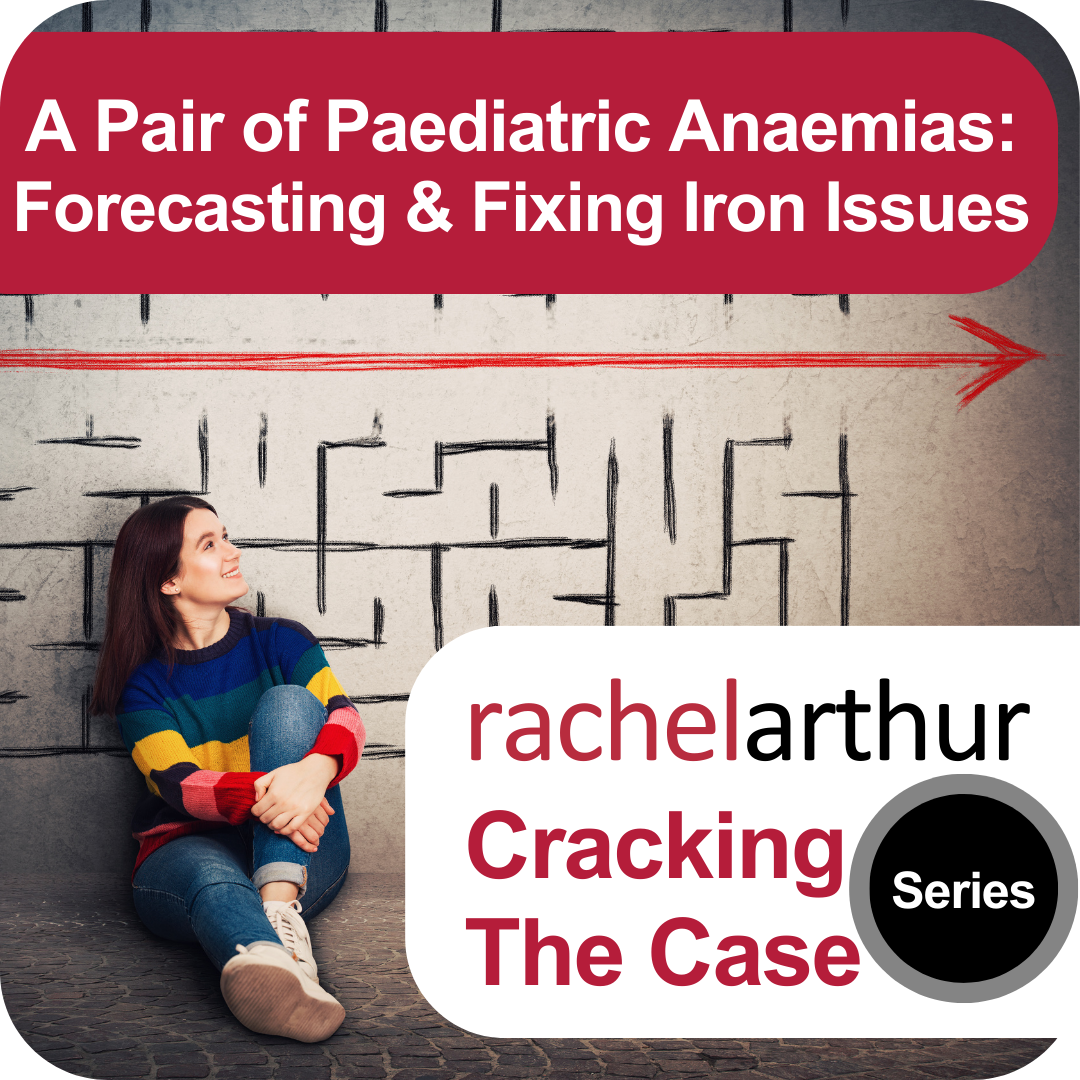
A Pair of Paediatric Anaemias
Two young siblings both present with anaemia. With the same parents, similar birth stories, breastfeeding pattern, same introduction of solids and ongoing food patterns, can we assume that the underpinning cause is the same? And like all young kids everywhere, do they just need ‘more iron’? While we’re led to believe ‘iron issues’ are simply ‘par for the course’ in infants & preschoolers, rates of anaemia in countries such as Australia in this age group are actually <5%. Therefore instead, we should view any anaemia presentation, and more broadly, every ‘iron issue’, as a call to action to identify all the causes & contributions unique to the individual.
The work-up of each sibling, which includes a checklist of 6, often unseen, factors that drive iron deficiency in kids, reveals what the children do have in common and what sets each apart and in turn identifies differences in the course of action that should follow.
Along the way you are offered an opportunity to review in detail your knowledge of iron homeostasis and how to read pathology results from this informed place, as well as learn something new about this mineral’s unique regulation at every age & stage of childhood. This recording comes with a separate clinical tool which creates a framework for understanding all the real reasons behind iron deficiency in other paediatric patients in your practice. It is a bumper offering, with bonuses galore!
You can purchase this Cracking the Case episode: A Pair of Paediatric Anaemias: Forecasting & Fixing Iron Issues here.
Recently I asked practitioners to tell me where the ‘therapeutic reference range’ many of us were taught for nutrients comes from & no one has been able to answer that.🙄 If you’ve heard me refer to my original naturopathic education before you’ll know I generally hold it in high regard. And I’m forever mindful that there are always things that can be made better. What’s been playing on my mind lately is the recognition that I originally learned nutrition from one (exceptional) individual, and then went on to become the lecturer years later at that same and other institutions. Additionally, I am aware of some of my past students also going on to become the next generation of nutrition lecturers at those same places – and often in fact inheriting their lecturer’s notes, slides, overheads [showing my age!!] with the job. Can anyone else see a problem here? What’s brought this into sharp focus lately are many of the questions I’m endeavouring to answer as part of our much-anticipated Nutrient Prescriber’s Program. How much? How often? When? Which form when? & For how long? Which are the key questions we have to answer with every single nutritional prescription.
To not only source the most rigorous scientific answers to these core critical questions but to also develop a framework that we can all use to answer them for ourselves at the point of any future prescription creation, I have had to go to great lengths.
But as I research & write, I also keep asking myself, ‘How would ‘old-me’ have answered this?’ How did I up until now either consciously or unconsciously answer these sufficiently to make such decisions?
So it’s an ongoing little (& sometimes BIG🧠) internal debate that is raging as I write. And when I ask current praccies these questions they reflect back similar ‘old-me answers’, the vast majority of which were handed to us by our lecturers with plenty of top-up ideas from industry. These answers include things like:
How much? Somewhere within the therapeutic dose range? How often? Depends on lots of things but generally aiming for daily of course!
When? Minerals before food, fat soluble vitamins with or after, magnesium at night etc
Which form when? Now it gets tricky – because there are all these new forms that we weren’t even taught – but maybe ‘active’ – active is always better, right? Or is that natural? The most bioavailable?
& For how long?Ummmmm how long is a piece of string?! Until the signs and symptoms resolve?
Now all of these as general statements are partly correct. And with respect to the level of understanding we need to have when crafting a nutritional prescription for a specific patient, with a specific presentation and for a specific purpose (correction of deficiency Vs supranutritional Vs therapeutic antagonism etc)…well they are plain wrong in the majority of instances. Don’t freak-out in freefall!🪂 The prescribing of nutrients is a wonderful and typically, a wonderfully safe, modality that offers us the potential for extraordinary patient outcomes. When used well. We could all benefit, I believe, from just sharpening our tools so we bring out the very best in our medicines & in ourselves, as prescribers & clinicians. I am neck-deep in writing the 10 modules that can start us all on that journey. Want to join me?
And to be clear, about the educational echo chamber,
In the past I was part of the problem and ever since I have tried to be part of the solution.
With over a decade of mentoring practitioners, Rachel has recognised a need for an educational program that provides practitioners with more structure, more science, and therefore more certainty in navigating each individual prescription. This monthly meet-up is delivered in 5 live sessions and runs from February to June (10 modules). All sessions, encompassing both theoretical and applied learning will run for approximately 2 hrs each.
This is not about body shaming nor body positivity. I understand the crudeness of the body mass index, as a measure of (un)healthy weight – let alone (un)healthy muscle mass, so I don’t use this as a stand-alone assessment of weight, nor rigidly adhere to the categories it allocates individuals. With only minor recognised racial adjustments for BMI, I also recognise our concept of ‘healthy weight’ is incredibly whitewashed with minimal regard and consideration for clear ethnic and racial differences in physique. Patient’s lab results tell the real story. It’s in their results that we can discover someone is thin-on-the-outside-fat-on-the-inside (TOFI) or FOTI. These are patients whose BMI, WC,WHR, Body fat% etc identify them as obese – yet there is not a whisper of what I call ‘Adiposity Patterns’: no subclinical inflammation, no reduced glucose tolerance or actual IR, no raised transaminases that we expect to correlate with girth and the corresponding fatty infiltration of their liver. In this, as in so many other aspects of clinical practice, we are reminded to see each individual, individually.
AND if we adhered to this always, listening unfiltered to the whole health story and letting the labs speak, we would not miss those patients in whom unhealthy weight really is the most important underpinning, & all impacting, issue. And we are not doing our job, when we don’t.
I mean – we all know the detrimental effects of excessive adiposity – that’s like Pathology Unit 1 topic 1, right? I know we know it. Yet there are so many reasons why we might down-play, step-around, or even ignore its enormous contribution in our patient work-up and certainly the discussion that follows with our patients. That too is a no-brainer. Who wants to say to someone whose come seeking your help, as an explanation for their complex health concerns, ‘There’s no zebras here just a horse – one really over-weight horse!’ Knowing too that unhealthy weight results from the most complex constellation of factors (biopsychosocial) unique to each individual and that change in this health determinant, is arguably the slowest and hardest to sustain. But how are we serving our patients if we don’t?.
A practitioner presented this case of a 48yo F seeking help with the work-up: Self-reported inability to lose weight after 1st pregnancy = ‘obesity’ ongoing – now BMI 33.1 –> 25yo Reflux & Hiatus hernia Tx Omeprazole initiated – ongoing –> 26yo Depression Tx Venlafaxine initiated – ongoing –> 30s Back and other musculoskeletal injuries Tx Surgery & Opiates – ongoing –> 40s Hypertension & elevated resting HR –> Last 12mo – changes in Mx cycles suggestive of perimenopause & substantial weight gain
This patient didn’t ‘have’ any lab results but I think I can make an educated guess about how they would look and in particular whether they show the characteristic ‘adiposity patterns’ I mentioned before. What was my first thought about the most impactful element of the case? Obesity. What was my second thought? Where is all the weight (diet & intervention) history that would help us to understand how she is where she is, right now? We didn’t have any. The practitioner informed me that the patient was ‘not very interested in talking about her weight’ – in fact, according to her, it didn’t seem like losing weight was one of her goals. Now this could be several things: the fear of judgement, even her own self-loathing, the paralysing awareness of the enormity of such a goal, the dashed hopes of the past, or it could just be that her weight, as the key negative determinant of the majority of her health concerns & quality of life, has just never been brought to her attention, nor the connections explained to her in simple accessible language. So over to us, right?
There were other health determinants at play in this patient but the centrality of the adiposity was undeniable & the practitioner said this was the greatest take-home. She’d been ready to don some jungle gear and go hunting some zebras – but there was a horse right here in front of her and that could not and should not, ever be ignored.
What else became apparent was the lack of knowledge & skills regarding how to take a comprehensive weight history & why this is crucial. Not only for this type of unhealthy weight, the underweight require exquisite attention, as do those with a more labile weight than expected as an adult. This brilliant article by Kushner et al from 2020 is a total gift in that regard and a must-read for every clinician. We feel uncomfortable asking about certain things when a) a patient feels uncomfortable which is usually because b) we are uncomfortable and this ultimately comes from not being clear about WHY this information is so important and HOW this will ultimately enable us to better help THEM.
This is the very latest, comprehensive review of the key aspects of thyroid assessment that will revolutionise your understanding of thyroid markers. Gain a clear understanding of how to provide the best, most individualised, thyroid management by learning to read the real story in each patient’s pathology patterns. Boost your knowledge and confidence looking at TFTs, rT3, thyroid antibodies & related nutrient patterns, as well as AITD, environmental EDCs, HPA driven HPT issues, thyroid nodules, the impact of dietary macro- & micro-nutrient imbalances and much more!
This 4 part series provides over 10 hours of the very latest research & findings, punctuated with real case studies, that will both contemporise and deepen your understanding of all things thyroid, with a bonus recording on Adrenal Assessment.
Are we doing ourselves out of a job? I’ve been talking treatment plans with my New Grads recently. Given, only recently these were major assessment items in their clinic units, they have been trained to create ALL-ENCOMPASSING (biopsychosocial) prescriptions and recommendations of utterly EPIC PROPORTIONS – to simply prove they know it all. Problem is this doesn’t work in the real world.
Emailing your client multiple pages of advice that covers: a whole sizeable supplement schedule that only a military-training could nail (2 tablets 1 XTID 1 X BID, a liquid, a powder, some with food, some definitely not with food) plus dietary advice, plus hyperlinks to exercise advice, mindfulness exercises and a request for follow up investigations before the next appointment…is…a L*O*T!!
It is also ineffectual – because it completely disregards the human on the other end. Let me ask you this, how much change are you capable of between a first and second appointment, roughly a period of 2-3 weeks? Personally, I gotta say not that much. It took my dentist years to get me just embrace flossing & I don’t think I am an exception! With all the knowledge we possess its hard not to see people as (a long list of) problems (& problematic behaviours) that we translate into, and solve via, a prescription.
Effectively we are saying to patients with this practice model, ‘Go change & come back when you’re done & then I’ll probably ask you to change some more!’ That’s both a big ask and a huge missed opportunity.
I hear from reliable sources over the ditch, that GPs are increasingly referring their patients to, or teaming up with health coaches, rather than naturopaths. Given what I’m observing, I get it. Doctors on the whole only have time (and barely then) for a finger-pointing prescription – certainly not the time and touch-points required to actually support patients with the very difficult thing that is, behaviour change. Nor the skills to truly facilitate patients making the necessary and desired changes – so they outsource this role. But we shouldn’t.
After all – I want to be on my patients’ support bench & health care team always – not a flash in the pan, that blinded them with science or my ‘smarts’ and proved to them in one over-stretching prescription – that naturopathy is not for them, or at least, they’re not fit for the task.
At the end of an information & insight heavy appointment, formulating a list of products and doses for our patients to take can feel like a bit of a ‘tada moment’, like a magician pulling a rabbit out of the hat. “Here is the solution – now off you go!” Research tells us, however, that treatment-plans that are a co-creation between you and your patient – evolving from a discussion that not only allows them a voice, but a major role in the decision making – are far more likely to succeed. While we are the authority on our medicines, our patients are the authority on what makes them tick & what’s likely to succeed, in terms of taste, texture, temperature & timing! This is called Patient Centred Prescribing and together with some other tips tricks and hacks I share with you in this episode, can really increase patient buy-in, compliance and therefore bring your treatment plan to fruition and fulfilment!
We all (inaudibly🤞) sigh when patients utter this & adopt the brace position for whatever mis- or dis-information may follow.
So how would you feel, if instead, these were the words of the health professional you’re seeing?
We could debate forever the pros and cons of FB and its forums – & indeed it offers both – but one thing we must never lose sight of is what it has in common with the ‘wild west’: unregulated, unvetted, and with plenty of cowboys – often sadly, masquerading as experts, or just ‘very “generous” very very active group members’, with hidden agendas. I don’t generally engage with the naturopathic forums but occasionally I catch sight of things that I can’t look away from, and I can’t not speak up. Recently, someone (with a not-so-hidden-at-least-to-me-agenda) was raving about the dangers of N-acetylcysteine as a supplement & the way it was spoken about made it seem like it would be *poison* at any dose. Wha? As you may have learned from me it is definitely potent and in turn, demands our respect as a powerful therapeutic agent – directing our decisions about timing and reminding us, yet again, that least dose is best dose. But what this individual was purporting were adverse effects I’d never heard of in relation to this nutraceutical. So I simply asked, ‘Can you please share your reference(s)?’
Prior to me inserting myself into the comments – there had been enormous engagement specifically with this individual’s claims- which mostly went like this: ‘Oh wow! I didn’t know this!!’ ‘Thank you – that’s so interesting!’ “Oh that explains why Tom doesn’t like it, and Dick won’t take it and Harry says it’s horrible!” 🤦♀️
FB forums – seeking out the support & opinions of our peers can be truly wonderful but it can totally derail our knowledge too if we don’t keep checking the quality of that information. A simple: Can you share your references, or, where did you learn this? Should be part of the respectful and expected scientific discourse in our profession. I’ve asked that before when I’ve found myself yet again in a forum thread and had a truly fabulous response – with the practitioner generously sharing a number of high quality published articles that would have taken me ages to find myself! 💪Not the case in this recent episode. The 3 distinct claims, which all centred on NAC being bad for high histamine individuals, were ‘substantiated’ by just 1 primary reference & that was a Poster Presentation: “Human placental tissue was minced and subjected to a fractionated ammonium sulphate precipitation (35% / 65%). A fraction high in DAO activity was purified using hydrophobic interaction chromatography (HIC), and incubated with the drugs in prescribed concentration” . The full research has never actually been published in its entirety and the brevity of detail on a poster means you know barely any of the important details regarding the methodology. I also looked for any other research that emulated these methods or findings or even cited this paper – nada. And if you lead with your best – this was appalling low level evidence that is really unlikely to be relevant. But hey – here’s the 1 provided reference – make your own mind up! (see how easy that is?!)
I asked for clarification and for papers to support the other 2 claims. Silence.
But actually before silence a bit of ‘How dare you ask!’
That’s when I got a different insight into this forum & arguably a culture that doesn’t foster curiosity & questioning, if that risks challenging the ‘poster’s’ position. And when several incredibly intelligent, kick-arse clinicians quietly contacted me on the side to say, ‘THANK YOU!~ This person posts comments like this all the time & it’s so misleading & someone needed to say something, but it probably had to be you.’ Well that really made me 😥 because it didn’t, you know – any one of us can ask, “Can you share the reference(s) for that?” and clearly we need to more often 🤓
Why are we afraid to question information or ask for references and why are people afraid of the question? This should not be a competition or hierarchy of who can ask or not ask questions. And if the forum that you’re a member of makes it seem that way – then ask yourself, if its doing you more harm than good.
Aren’t we on the same team here? We all have a professional duty of care to our patients to ensure that in looking for quick answers we don’t get incorrect ones that misinform us, our patients and our treatment decisions.
Have you ever noticed that our products don’t work if our patients don’t take them?!🙄
The reasons for non-compliance, dis- or non-engagement, poor patient buy-in & follow through are many:
*My dog ate the instructions * My inbox swallowed the instructions *As soon as I left your clinic, your instructions left my brain
Reasons also include far more credible things such as non-patient centred prescribing. This is what most of us do when we’re full of good intentions but short on time at the end of a consult, so we just throw a bunch of products and a script with them out the door. Arguably many of us make this mistake also because our training perpetuated this relic of conventional medicine and paid insufficient attention to the therapeutic relationship. In contrast, patient centred prescribing recognises the patient as best-placed to find personalised solutions to their very individual challenges, including, decision making around dosing regimes. So while we continue to ensure & oversee that therapeutic doses are used and that best conditions for taking certain things are adhered to – your patient remains the expert in the room about how to actually achieve this – both in terms of when & where in their very real lives – with a little help from us – and what ‘works for them’, in terms of taste, texture & temperature.
That’s right, I said temperature…are you telling patients to take everything at room temperature??
You need to think again – this is something we can safely manipulate with many powdered & liquid remedies (some exceptions of course!) to match patient preferences & radically increase palatability, pleasure and ultimately patient compliance.
Are you like me? I have supplements scattered all over my house – in places that correlate with an action or moment in the day when I am most likely to take them. This is another important element of Patient Centred prescribing, so I work with my patients to identify these easy solutions too. After the gym? In the gym bag. After breakfast as you leave for work? In the key bowl. At work? On the desk beside the computer screen. Keeping taurine in the drinks cupboard in front of the alcohol is another nifty reminder and trick for those looking to ‘pre-load’ and cut down! Tips and tricks like these save our over-loaded memory. They remove or minimise barriers. They make compliance less effortful. And as a result, you know what? They might just get the results we would have expected!
Compliance Changers – Strategies for Success
At the end of an information & insight heavy appointment, formulating a list of products and doses for our patients to take can feel like a bit of a ‘tada moment’, like a magician pulling a rabbit out of the hat. “Here is the solution – now off you go!” Research tells us, however, that treatment-plans that are a co-creation between you and your patient – evolving from a discussion that not only allows them a voice, but a major role in the decision making – are far more likely to succeed. While we are the authority on our medicines, our patients are the authority on what makes them tick & what’s likely to succeed, in terms of taste, texture, temperature & timing! This is called Patient Centred Prescribing and together with some other tips tricks and hacks I share with you in this episode, can really increase patient buy-in, compliance and therefore bring your treatment plan to fruition and fulfilment!
You can purchase Compliance Changers – Strategies for Successhere.
If you are an Update in Under 30 Subscriber, you will find it waiting for you in your online account.
You can become an Update in Under 30 Subscriber to access this episode and the entire library of Update in Under 30 audio’s and resources here.
Over years of delivering independent education in integrative health I have spoken to some diverse audiences. This has included health professionals from very different backgrounds: from hospital-based psychiatrists & mental health nurses, to whom I presented on site in hospitals both in Australia & NZ, to a national sparkle-arkle speaking tour, in front of large groups of aesthetic practitioners. They’re the doctors & nurses for whom botox and fillers are their tools of trade, and yes I got to see actual demonstrations of their work performed live!!!😶 More recently, I’ve had several opportunities to deliver evidence-based independent education on nutrition to pharmacists en masse – which I always enjoy because they ask some of the best questions!
Underpinning each decision to accept an invitation from a 3rd party, be that a company an organisation or an institution, to speak, is: 1.The realisation of an opportunity for nutritional medicine to reach more people, a wider audience, & ultimately expand the circle of influence amongst health professionals, who interact with & advise the public at all different levels 2. An agreement and/or contract that ensures my independence, the correct use of my materials, image, brand and IP & removes any expectation to promote their products/services etc
And my ‘door’ is open to any invitation which meets these 2 criteria. So you might have seen my name, previously associated with some brands or organisations, in the last few years disappear off their speaker announcements, or no longer connected, and in turn you might see my name pop up in new places! Like….Metagenics Congress on Autoimmune Disease!! After many invitations from this company, that I wasn’t able to previously accept, I am pleased to be speaking at this face to face event on the Gold Coast in August. What a novelty, hey? Face to face?! My talk is about the 4 Mistakes not to Make in Hashimoto’s and as always, I’ve completed a full mini-literature review in order to speak to the very latest on diagnostics and nutritional management, in this condition. Yes, to quote a Costanza, “We’re back baby, we’re back!” And to see my full current smorgasbord of speaking commitments & all the people I am ‘spreading the (nutritional) word’ to – just click here.
This previous training will take your understanding of the interplay between food, nutrition, environment and the thyroid several steps further. With more supportive research and a greater focus on the mechanisms behind the relationships between these macro- & micro nutrient & environmental factors, this presentation is for the true thyroid die-hard.
How much has THE world🌏 changed in the last 2 years?! Have the changes within the field of Integrative Health been equally seismic? I’m sure there are many different aspects to speak to & we all have our own thoughts to share on this. I shared my thoughts on this topic in 2021 with AIMA conference attendees and now I’m pleased to share them with you as well. Of course, your position in the integrative health landscape influences your perspective. I’ve relished the ongoing opportunity to mentor and supervise clinicians of various persuasions (nats, nuts, GPs, pharmacists, psychologists etc) and at various levels of experience – from new grads to some seriously seasoned & stand-out successful practitioners, as well as being a member of several medical & health communities such as ACNEM, AIMA, NHAA , not to mention my inner circle being dominated by health professionals, to boot!
As you might have noted too – oodles of this research has come from Down Under ⚡💪 And btw – we have some serious gratitude owing to our publishing peers here in Australia, who are making huge contributions to making ‘us’ and our work visible in academia: (Amie Steel, Hope Foley, Erica McIntyre, Mathew Leach to name just a few!) So while our visibility is improving in academia – are we also being more ‘seen’ by the population as a whole – you know- the ones that make up our client base, stimulate our brains, engage our empathy and sustain our clinics staying open? The data, both published and from practitioner ‘word on the street’, tell us in unison
When the challenges we as humans face, grow in number and variety, the skills and our contributions Integrative Health professionals offer, in terms of advocacy, time-taking, a person- centred approach & individualisation of treatment is in demand more than ever. And on that note I want to leave you with one of my favourite quotes about person-centred care from Psychiatric Interviewing by Shea – but it is true no matter was the presenting complaint, nor where you are in the process of helping that patient:
“In person centred interviewing, the patient is not viewed as the problem but as a unique individual filled with solutions to the many problems that life invariably brings to all of us” Shea 2017 page 9
Oh and P.S. The AIMA FACE-TO-FACE Conference is BACK in November this year!! And given the last time I did this, we were just on the eve of the pandemic and I raced home to just miss curfew…it feels like a perfect place to gently, gingerly come out the other side(??)!!🌈
As integrative health practitioners, regardless of the tools of our trade, we empower people and advocate for those that don’t feel powerful with respect to their health and well-being. We are compassionate and empathic, ‘alternative thinkers’ and notoriously dogged diagnostic detectives. This talk aims to remind us about our true super-powers. These distinguish us from other health professionals and service providers and are in greater demand than ever before, during this time of significant planetary and population change and challenge.
Maybe it’s tax-time, just my wintery whinge or a tirade triggered by missing my twins’ 21st birthday due to border restrictions 😶 butI’m sorry for all the shouting of late…about interpreting iron studies, about the copper misinformed etc etc. and my gorgeous new grad mentees copped a full monologue, with links to articles, recordings & the Coeliac Society, when they asked me to expand on why we must exclude coeliac disease before removing gluten from anyone’s diet. I was so glad they asked though! I’m now using my inside voice.
But I don’t want my message to be misdirected and I fear it might be. It’s not you and it’s not me
‘We’ are doing our best. We are working in a field that demands us to be across soooooo many domains of knowledge and information, from the basic & not-so-basic medical sciences, to pathology interpretation, nutrition, herbal medicine and beyond. It’s a lot. None of us are across it all. I’m certainly not. And I’m aware, that the frustration I feel at others’ misunderstandings sometimes is unfair, because I’ve benefited from excellent early teachers all the way through to having a job now, that keeps my head in the research daily. And even still, without a doubt, the gaps & shortfalls I observe and criticise in others, I could have made of myself, earlier in my career. We don’t know what we don’t know, until we know better, right.
It’s them
Who is this ‘them’ of which I speak? Well, 25 years ago when I completed my under-graduate (and walked 10 miles to school in the rain, without shoes or breakfast 👵) I believe I received the training required to be the naturopath that I needed to be. Safe, effective, knowing my scope – which was basically coughs. colds, atopy and risk mitigation for future chronic disease. I never saw a lab test during my under-grad. I would have read a set of iron studies badly and something like ELFTs, like it was Latin. I wasn’t made aware by my lecturers of the critical part I could play in my patients’ lives, either by advocating and advancing correct diagnosis or by obscuring, confounding and delaying it (sorry, still thinking about the gluten debate!). But back then, I think this was appropriate for the time, the state of play of our collective medical knowledge and for the role naturopaths were playing in the health landscape. Not any more.
If you haven’t had a chance to read the extensive research about ‘us’ (Australian nats, nuts & herbalists) published of late, who we are, what we do, how we are viewed and what our patients expect, then you could be in for a surprise.
We’re perceived by many, if not most, of our patients to be a primary health care provider – either flying solo or co-piloting with the patient’s GP (& no auto-pilot function!!!) and as clinicians for chronic comorbid cases not the acute cold. My how times have changed and the question is – has the knowledge and level of competency of those in educational roles & the quality of what they deliver a good fit? Sorry, but if the majority of a large new graduate cohort have left their training with a mantra of ‘we must not diagnose’ and INTSEAD are likely to advocate a gluten free diet RATHER THAN Coeliac testing with the patients doctor first – then we’re falling at the first: Primum non nocere. Sorry,I forgot, inside voice 🙄🤐
This Update in Under 30 recording speaks to the seriousness and primacy of identifying Coeliac Disease in any patient reporting a suspected reaction to gluten and takes you through the latest evidence on the best screening protocol. With an increased understanding about the strengths and limitations of gene testing, serology and biopsy, we have a clear map to follow now. Along the way Rachel outlines 3 additional potential mechanisms for ‘gluten’ reactions amongst our patients, what to look for and how to tell the difference.
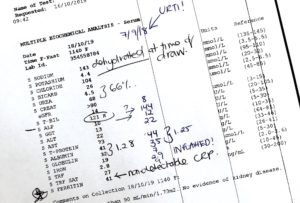
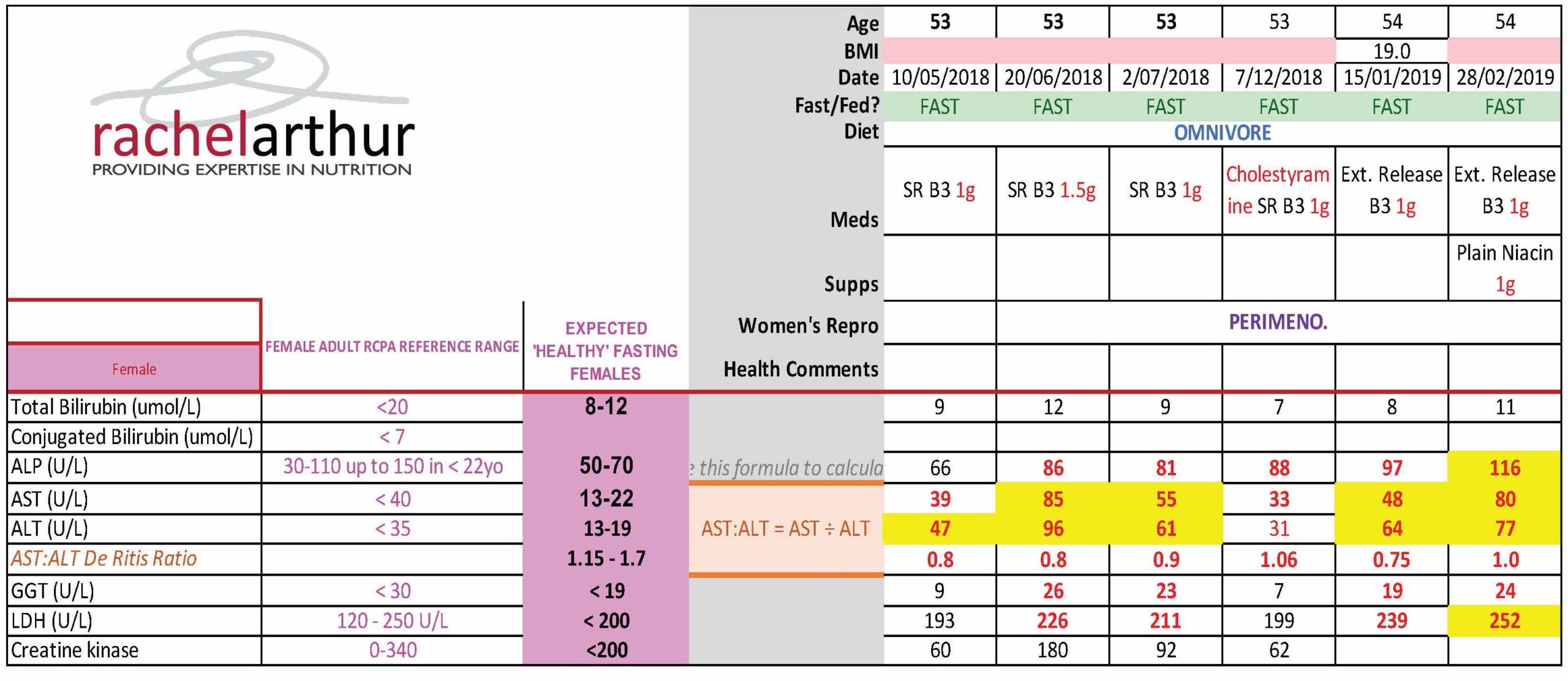
What’s your knee-jerk response to 52Y Lipids Lucy & Liver, whose ALT & AST suddenly jumped above range when she was put on statins? They’re damaging her liver? You’d be wrong. One of the practitioners who undertook the MasterCourse in Comprehensive Diagnostics just graduated with flying colours when she was able to correctly identify the true cause of this patient’s LFT abnormalities, can you?
[Cheeky hint: there is more than one explanation/process at play]
This naturopath now knows her pathology patterns. She knows the interpretation of any liver enzyme must also take into account the movement in other markers, to make meaning of the whole. Because so-called ‘liver enzymes’ are never exclusive to the liver. They are expressed in multiple other tissues and organs – sometimes at equal concentrations to their liver-level (e.g. ALP and bone). For some, even referring to them as a ‘liver enzyme’ is a mislabelling of sorts, with minimal expression in the liver itself compared with ubiquitous distribution all over the body (e.g. GGT & LDH). Of course this is both a blessing and a curse. A curse if you make the mistake of only interpreting their levels through a ‘liver lens’…a blessing if you know when they are flagging problems elsewhere through the specific pattern recognition. So back to Lucy – the statins had induced a rhabdomyolysis not hepatocellular damage. The clues? Significant AST dominance over ALT, above range CK and LDH.
So if the statins weren’t causing increased hepatocellular damage what is that increasingly high-normal ALP pattern all about?
Bones. And again, this practitioner picked it. And then got to win herself some pretty BIG credit and credibility points with all the other health professionals sharing care of this patient by suggesting that they clarify and confirm this by referring her for an ALP bone isoenzyme assay, which answers the question: is the elevated ALP originating from the liver, the intestines or from the bone? Bingo, bones it is! Or was, because this practitioner was able to alert not only the patient but all the other practitioners treating her to the increased bone remodelling taking place, independent of the statin reaction, but part of her perimenopause. Left unchecked this would escalate further of course at menopause and leave her bones in bad shape. This is just one illustration of how we can show ourselves the be the incredible one we are on the shared-care team.
Being lab literate and pathology proficient, sets you apart from the rest and enables you to practice truly preventative medicine. How else would we have known she was experiencing increased BMD loss that may be the start of something truly tragic?
Realise the true value you can extract from the most commonly performed labs. Join Rachel Arthur LIVE on the MasterCourse I: Comprehensive Diagnostics WATCH PARTY This skill is the biggest ‘game-changer’ in Integrative Medicine! Want to know more? Head over to my website here and check out more of the great benefits and bonuses of joining this program This course is a fantastic learning opportunity to identify the many intricacies in cases that have previously been missed.
If I could be granted 1 wish regarding all health professionals, it would be that we were all competent in reading Iron Studies. Think that’s overstating the issue? Or not a bodacious enough way to ‘spend’ my wish? I don’t. Especially when you consider the impact of GPs in this space.
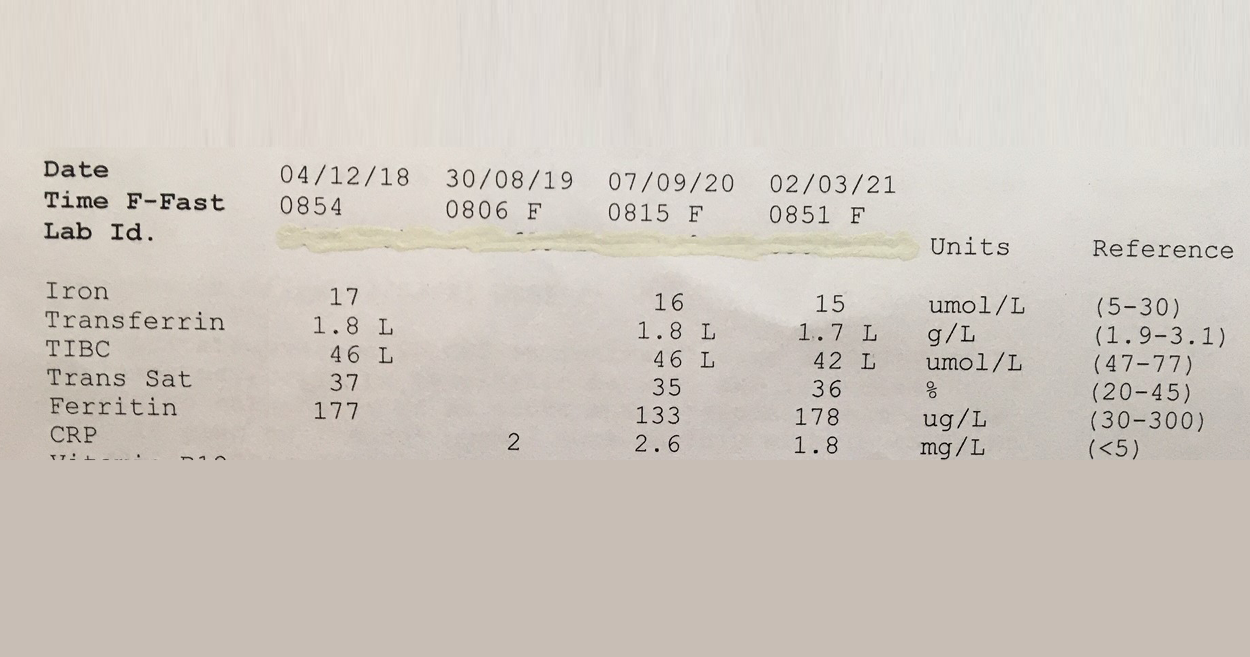
This 57Y male was asked to make a follow up appointment with his doctor, to discuss his ‘abnormal’ results which he was informed constitute Iron deficiency. Consequently he was was advised to start an iron supplement! #@!*
Your thoughts? Revoke this doctors medical licence? Insist on some very du jour ‘re-training’ at the very least? I mean, if you think this Iron pattern flags a deficiency or shortfall, then you’re as good as reading a map upside down and back to front…and written in a foreign language!! The ‘Ls’ in his latest labs flag he has suppressed transferrin, indicative of negative feedback inhibition of GIT uptake of this mineral, secondary to healthy stores or inflammation. And it’s not just that more iron is not indicated but that more iron in fact presents a patient like this with increased and unnecessary risk: to their microbiome, intestinal wall health, even according to the larger longer studies a potential correlation with colorectal cancer risk, if taken long term. Let alone the whole cardiovascular conundrum. Better still this same patient was told a few years back that he might have iron overload! Again the ‘map’ could only have been being read, upside down, back to front to reach such a conclusion!
So the one patient in just a few years by 2 different doctors has been diagnosed incorrectly with 2 different iron issues. Yep.
And sadly I have sooooo many more cases of missed and mis-diagnoses with regard to this mineral. The latest RCPA Position Statement on the Use of Iron Studies, underscores that assessment of iron status and GPs competence in knowing when to do this and how to interpret, is an important part of core general practice. Given it “is the commonest nutritional deficiency state in Australia and is significantly under-diagnosed” This succinct document offers a quick crash course in Iron nutrition for doctors and it hits all the right marks with advice about not ordering ferritin as a stand-alone because “the interactive nature of the three components allows for more accurate interpretation”and this simple but sage advice:
“Transferrin, iron transport protein, tends to increase in ID… A better strategy (than being tricked by Serum Fe) is to report transferrin saturation. A low transferrin saturation in the setting of an equivocal ferritin level is suggestive of iron deficiency. An elevated transferrin saturation is the first manifestation of iron overload.“
I mean seriously, do doctors read these RAGCP resources & recommendations, or is it just me? 🤓😂
Need a rip-roaring review on how to really read iron studies? Or know another health professional who does?!! Consider this Easter Educational Gift Instead of Eggs!! So You Think You Know How To Read Iron Studies?
Overt Iron Deficiency Anaemia or Haemochromatosis aside…do you understand the critical insights markers like transferrin and its saturation reveal about your patients iron status? Most practitioners don’t and as a result give iron when they shouldn’t and fail to sometimes when they should. This audio complete with an amazing cheat sheet for interpreting your patients Iron Study results will sharpen your skills around iron assessment, enabling you to recognise the real story of your patients’ relationship with iron.
Well that got tongues talking! We’ve cried, and we’ve laughed, hearing from practitioners about their ‘over-delivering donkey experiences’ for 2020. We’ve heard many memorable & relatable tales of either failures to set the best boundaries or even, in instances when we do, patients’ incredible dexterity to scale these in single leaps, ala James Bond style.
Practitioner: “On the very same day we talked about this important and ignored topic, I’d received an email at 9am from a patient asking for advice and a 2nd opinion about the prospect of surgery (first mention of this and clearly outside my scope!!!!), which they wanted before they saw the surgeon in 2 hours!!”
Sometimes it’s not patients, but professional colleagues (& friends)! I personally took an urgent call on Sunday morning from one of my psych colleagues, only because she is a dear friend, only to discover she needed help regarding a friend with mental health escalation…ah…yup…nup. Her blurred boundaries breached mine and then I bugged another colleague out of hours for further assistance…bad boundary blurring behaviour all round! We’ve been talking about the uncomfortable truth that a lack of healthy boundaries is a fast track to burn out for health professionals in group mentoring and the end of the year is always…opportune!
Mentee:“I felt challenged in a way where I was reviewing my own boundaries from an overall perspective over a period of time. I’ve worked in retail for 15 years now (as a student nat initially and then as a qualified naturopath) and I still find myself questioning how far I will go in certain respects especially when it comes to mental health (or people who appear vulnerable). When I was initially in practice I found my boundaries challenged to another degree, where I would accept every person who came through the door, whether I felt ready or not, or willing to take on the case, which essentially led me to burning out.
Now as I get ready to start again in practice, I feel more prepared to set clear boundaries from the get go (give myself permission to do that) and check in with myself if I feel they are about to be crossed or not in alignment with me. It feels like an important and healthy assessment tool to utilise as a health care practitioner.”
As a profession we need to pool some solutions.
Instead of the reflexive, ‘Just pop me an email if you have any questions’, at the end of each consult which can constitute the equivalent of a blank cheque (!!), perhaps we can say, “If you need to clarify any advice I’ve given you today drop me an email and for any other questions that arise, we can decide whether we need to bring your next appt forward or schedule a between appointment phone consult” Or if you’re a practitioner who sees the value (and there is much research to support this) in increased touch points with patients, for better compliance and improved outcomes, then structure your billing accordingly. This from one of our cluey new grad mentees, ‘If you want to offer this add-on time as part of your service then you need to account for it e.g. shave 15 mins off the actual face to face time that they’ve been charged for, so as to have this ‘up your sleeve’ for this express purpose. They breed ’em smart these days! Love it!
The end of the year is such an important time for reflection. What have you learned this year about your professional boundaries? Got some tips you’d like to share?
Shhhhhhhh(eesh)! I am confessing my sins. As part of our mentoring discussions we try to keep one another honest & in-check with, what seems to be, integrative health professionals’ innate flair for over-delivering. Name someone right now from another health modality that spends as much time on researching & working up your patients as you do. Name another kind of health professional who makes themselves as accessible as you do to their patients. See, I know your type. And feeling like a donkey (in many regards) but especially as in the context of this evocative picture, is not something that happens just once in your career, which you learn from, adjust your load, and never repeat. I should know, I’ve had a bit of a donkey year, myself 🙄
Our old mate, Albert (Einstein), said, “Wisdom is not a product of schooling but of the lifelong attempt to acquire it.”
I think, for health professionals (at-times) over-endowed with care mixed with an infinite curiosity (for answers), we can find ourselves with quite the ‘heady mix’, an excessively heavy load and on a slippery slope of over-delivering. This manifests in different forms at different stages of our career. I’ve talked about some ‘so-common-I-wish-I-had-a-dollar-for-every’… ways practitioners over-deliver in the clinic before. But for those of us that are seasoned practitioners, we master the basics…no sharing of personal mobile phones or even email addresses, clear communication with clients about appropriate times and means of contact, we even commit to taking some time out for ourselves and our own wellbeing (Wowee watch us go!! Physician Heal Thyself!) but often we just find new ways to over-deliver. They sneak in and up on us. It takes us a while to realise we’re back in a familiar place of dangling donkey feet in the air, over-burdened by our load.
But perhaps we should think of this as Process (a lifetime one of becoming wise, like the other guy said) rather than a pathological problem.
And as we near the end of another year, a very taxing year for many of us, take this opportunity to pause, process the strengths and limitations of our practice model over the last 12months and adjust the load so we can proceed towards an ever more sustainable practice.
Because people need practitioners like us; full of care and curiosity, not overloaded donkeys who can’t go anywhere or carry their own load, let alone anyone else’s.
Got some tips you can share about healthy boundary setting for health professionals? We’d love to hear them 🙂
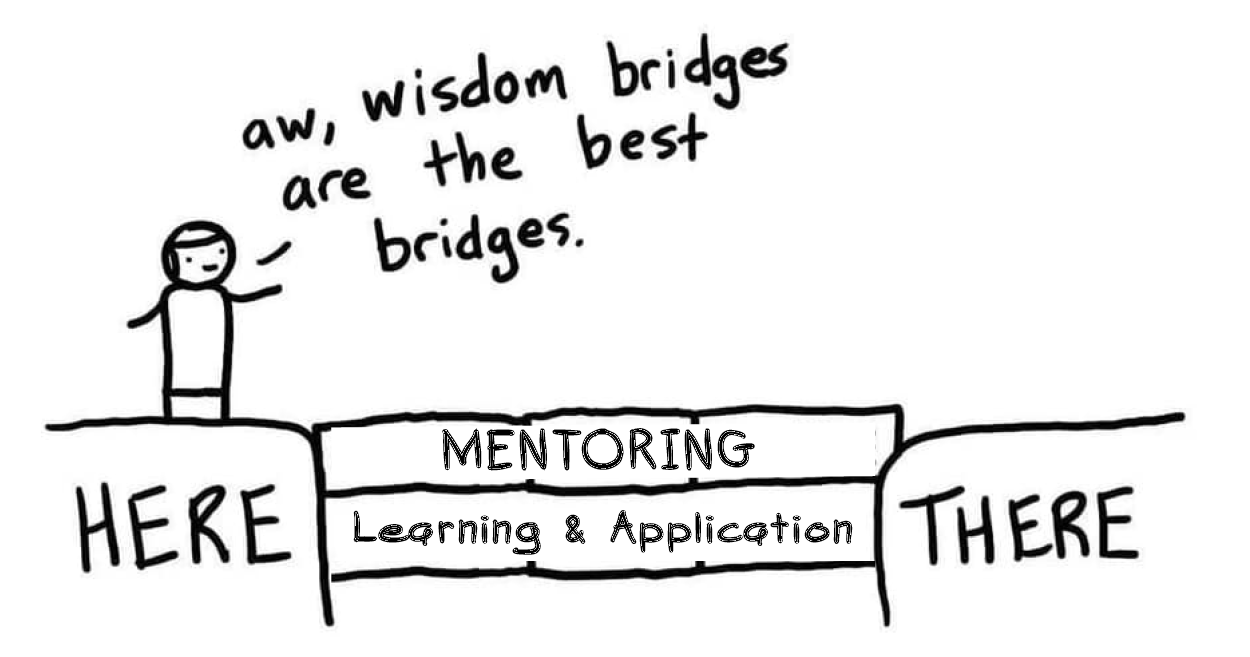
As a health practitioner, you are always actively building: your reputation, your practice and your knowledge.There’s theoretical …and then there’s applied. Some of the biggest leaps we take forward as practitioners come with being shown how (rather than told) & then being forced to ‘do the work’ ourselves, rather than being exposed to simply more information, be that about pathology, patient prescriptions or practice structure! The slogan ‘Just Do It!’, might have already been nabbed and TMed by a huge corporate beast, but this doesn’t undo the universal truth of it! Prefer your mantras to come from mystical philosophers rather than monster multinationals? How about this then?
I hear and I forget. I see and I remember. I do and I understand. Confucius
This mentoring community that I am a part of, we are about applied learning. We learn by doing. We learn, not just through each individual’s patient encounters but through the collective clinical experience. We make what can otherwise be an isolating experience of constantly, seemingly, reinventing the wheel, if not many wheels (!), into one of collegiality and ‘using the force’. If you haven’t experienced Group Mentoring with me previously and are thinking about next year being your year (see below to find out more about our 2021 offerings), we put together this fun little video here to get across that mentoring isn’t about a conversation between just two people.
With Group Mentoring you’ll be learning, through the application of core clinical skills, improved patient questioning, methodical information gathering, evidence based answer finding & getting access to resources that you can apply in real-time in your own practice.
“Having the group session each month, as well as having Basecamp to bounce ideas around in, is a reassuring connection to know is there if I need it. Having just started practice this year and working in an environment without other Nats around, I have noticed the occasional feeling of isolation. So having the monthly catch up keeps me feeling connected to other clinicians and gives me exposure to other cases and perspectives that I wouldn’t have otherwise had.” – Georgie
We have a range of groups on offer to suit all levels and most types of integrative health modalities. Go to our Group Mentoring page to discover the groups and bonus extras on offer for 2021.
Going by the landslide registrations for 2020, our ongoing excellent retention rate of practitioners from year to year & our already overflowing waitlist for 2021, the reputation of RAN Group Mentoring is highly regarded and a popular choice.
So, if being part of our community excites you and if the thought of learning and applying collective knowledge from expertise outside of our own, now’s the time to put your hat 🎩 in the ring, put your hand up ✋🏼 & join the conversation 📣 through Group Mentoring.
When you start doing this with your patients’ pathology results, you know your client records are turning into a big hot mess and more importantly your ability to see the wood for the trees is seriously under threat! Private labs don’t play nicely with one another and if your patient has been to more than 1 pathology provider you lose an enormous amount of their potential value, blindsiding you to their patterns, & the most accurate interpretations. I have a saying when it comes to getting the most out of pathology in your practice: Cumulative Data is King & Context is Queen.
Increasingly we’re in in the fortunate position of patients taking responsibility for their health and coming armed with lab results – this cumulative data helps us to clearly see their ‘norms’ (as opposed to textbook ones) and therefore also any noteworthy variations.
But even in this luxurious position of multiple results across a variety of time points & stages of their life – our ability to derive the greatest understanding from these is greatly stunted if we don’t have the context.
For example: if he was ‘cross-fit-keto-crazy’ at the time, if she’d stopped being pregnant & started breastfeeding, if in light of a major shift in thyroid hormone results, they were on biotin, or iodine, or changed their dose of thyroxine or were drinking straight from the udder of a soybean (!) these all seem like fairly critical contextual details to be across, right? All of these factors: diet, acute health context, medications, reproductive state, even season… impact the lab results we expect to see and therefore should be captured and considered to form the most accurate interpretation. But how do we pull it all together in a systematic way that SAVES us time and SAVES your sanity and can keep growing alongside your ever-growing patient notes? Cue the: RAN Patient Pathology Manager!
Systems for sorting through huge amounts of patient information help us make sense of what we’re seeing…and help us spot the source & solutions.
Systematised patient timelines for a better overview of the chronology of any case, the RAN Patient Pathology Manager not only holds all the data for you, helping you keep more accurate records & make the most correct interpretation from these, but also maps and monitors changes related to various interventions. Lastly there’s my old BFF, Mindmaps and Timelines not ancient torture tools of clinical supervisors (!) but rather what distinguishes us as integrative, enabling us a to work up a case in a truly holistic fashion instead of: symptom–> solution, symptom –> solution. These are the 3 key clinic systems I really wished I’d had from the get-go…so, me and my team created them! We’ve re-crafted them with each year and this year our RANPatient Pathology Manager has undergone a significant evolutionary leap and it comes with a comprehensive video explaining how to easily get the most out of this resource for all your patients. We always share these tools with all our mentees but we’re frequently asked how others can access them so this year we thought those of you out there just wanting a foot up with some better systems might like to get your hands on them too! Maybe this is one very practical part of the ‘new year new you’?
I take my job to heart. When someone asked me recently to choose the single value that spoke most to me personally I couldn’t seem to go past, ‘Purpose’. I feel very honoured to have contributed to the learning of so many health professionals in their undergraduate and so many more in their professional careers following graduation and I know that with this comes huge responsibility. Second on my values list (again, possibly unsurprising) is Empowerment & coming in with a photo finish at 3rd:Integrity. Discernment and critical thinking (about information, about research, about reflective practice) are perhaps the eggs in this souffle, helping us all to rise up.
As part of our critical thinking we need to accept a few truisms:
Research changes Experience changes Knowledge changes
Information is not static. So we need to ask ourselves, how long ago did I learn this? How long since I’ve checked it is still correct? And just because perhaps this information came out of the mouth of our mentors or teachers, makes it no less up for regular review. I’m trying to undertake these internal audits on a regular basis. Typically they’re prompted by bloody good questions my mentees have asked me. A question I can’t answer or, more to the point, I can’t answer with full confidence I’ve double-checked my old beliefs and understandings against new evidence recently…these almost always provoke a lost night of sleep for me. Not from sleeplessness per se but due to immersing myself in the latest research and performing a mini informal lit review, bringing out all my old beliefs/evidence etc. Marie Kondo style and asking do they still spark joy✨ (in light of the latest evidence)?! And yes sometimes there’s a little bit of heartache when you have to let your old tightly held beliefs and understandings go 😢
The 1st update is about N-acetyl cysteine. Some of you may have heard me previously question the efficacy of the vegan form. Now that all but 1 Australian product is vegan, produced from bacterial fermentation or purely synthetic, I was wayyyyyyyy overdue to check the validity of my old ideas. Let the record show, I was wrong. Unlike some other nutraceuticals like chondroitin sulphate, wherein the source radically changes the overall structure of the molecule and therefore its uptake and actions – the same is simply not true for NAC.
So those ducks, & their NAC rich feathers, can all sleep a little easier at last…phew! Now the 2nd internal audit well that did cause some tears for me…
We often identify patients who could do with a little glucuronidation first aid: marked dysbiosis, Gilbert’s syndrome, oestrogen excess, cancer risk (especially bowel, breast & prostate) and one of our nutritional go-to’s has typically been Calcium D Glucurate. While there is ample evidence that one of CDG’s metabolites: 1,4 GL – inhibits beta-glucuronidase, is an antioxidant, platelet activation inhibitor and generally all-round good guy to have onboard, new research strongly challenges that oral CDG will convert to this at levels sufficient to support this detoxification pathway. Sounds like we’re overdue for an update on this supplement and when and where it might be useful in addition to how to find the real deal in real food!
Our knowledge is subject to constant change, and it is oh so necessary to stay up to date in our field for a bazillion reasons, give or take a few 😉 So sometimes we can feel like we need eight arms (for the visual amongst us) to manage and keep up with it all. However, if we ‘use the force’ together we are stronger, learn faster and can stop with the whole ‘recreating the wheel thingo’ that so many practitioners find themselves doing out there in solo practice. Like, like…well, how confident do you feel about putting pen to paper? How good are you at your inter-professional communicating?
Referrals and inter-professional communication are just lightly touched on in the current undergraduate degrees (if at all!). But it’s actually such an important way to grow your own professional reputation while simultaneously the credibility of our whole profession. One might even argue, a pillar that stabilises the castle of shared patient-centred care & the future of true integrative health. I hear from my “New Graduates” as well as seasoned mentees about the unease that starts to creep in at the thought of writing the dreaded referral letter. I’ve been writing referral letters for 20+ years and it’s given me a lot of time to think!And refine. And refine again! To make inter-professional care a positive experience for everyone, we need to correct some misperceptions and ensure that our patients are everyone’s priority. And to fulfil our duty of care, communicating with the other practitioners on your patient’s healthcare team is fundamental. Sometimes, as you’ll learn, it’s about modelling the best kind of shared care to boot and being the bigger person 😉
Better still, positive experiences of inter-professional communication will bring collaborators out of the woodwork. Medicos and other allied health professionals you may never have been aware of otherwise, with a desire and openness to shared care tend to rise to the surface.
To get you even more excited about referral letters (you didn’t think that was going to be possible, right?!) and unlearn that Pavlovian procrastination you may have developed, Rachel has completely redesigned an older presentation to ensure it’s truly reflective of the contemporary healthcare landscape (oh yes, RACGP position statement included!). Expect to roll up your sleeves and get seriously practical advice with loads of examples about how to medico-speak naturopathic concepts, explain your role in the patient’s care, provide rationale for consideration of investigations and present ‘red flags’ with punch but minus the sensationalism. And above all else, reveal yourself as the asset you really are to the rest of the healthcare team.
“Thank you so much for a wonderful presentation yesterday, Rachel. It gave me a new perspective on how it must feel as a GP to receive incessant demands from Naturopaths/Nutritionists to order pathology for their clients. I am in awe of your integrity, desire for patient empowerment, humility and respect for other professionals in the mainstream health arena. I felt that every single naturopath and nutritionist out in the big wide world ought to have listened to your insightful words of wisdom when it comes to shared care of our clients. We are blessed to have you as our teacher.” – Michelle Blum (Mentee 2019)















 Well that got tongues talking! We’ve cried, and we’ve laughed, hearing from practitioners about their ‘over-delivering donkey experiences’ for 2020. We’ve heard many memorable & relatable tales of either failures to set the best boundaries or even, in instances when we do, patients’ incredible dexterity to scale these in single leaps, ala James Bond style.