That’s not a word you hear often spoken by people practising nutritional medicine. Which is odd. I mean outside of the whole, ‘I’m not good with sulphites so I just have to add these magic drops into my glass of red so I can knock back my share,” often overheard at our conferences… it’s like this essential macromineral, pivotal to human health for things like barrier function, antioxidant defence and our basic ability to create the white cells for immune defence (for that matter), detoxification, musculoskeletal tissue integrity etc has just not received its due attention from us. Not entirely surprising given 1) there’s no RDI and 2) there’s no lab test to assess an individual’s status and how about 3) because we were never taught about it!
But the biggest ‘call to action’ here is that, in spite of items 1, 2 & 3, we’re ‘prescribing’ Sulphur Strategies all the time!
Take one of my favourite examples;GAGs. Glycosaminoglycans like Glucosamine sulphate (not the crappy, found to be not as effective, other forms that we now see more commonly) hit the headlines back in the noughties as an effective arthritis remedy. This is one of the 100s of our body’s ‘end products’ of its endogenous Sulphur Stream. We naturally make this in adequate amounts to ensure the integrity of our joints (and many other tissues of course!) when we have enough Sulphur in the ‘top pool’ (organic Sulphur) to trickle down to the 2nd pool (Inorganic Sulphur), therefore creating a constant essential supply of something known as ‘the universal Sulphur donor’ – ‘PAPs’, to its friends 😉 Like a waterfall, it helps to have a good flow from the top to increase the likelihood we’ll have anything to ‘show’ at the bottom.
So when we give a patient Glucosamine Sulphate it may well help. Or not. But did we ‘treat the cause’ of their Sulphur problem? Should we have treated higher up, increasing the size of either the organic or inorganic pool to have improved and widened the benefits for their health? Or, as is equally common, actually identified why someone might need more Sulphur than most – due to increased demand and losses?
Herein lies my reason for liking this particular Sulphur story somuch. The common medication that places the highest ‘demand’ on Sulphur (due to its need for detoxification) is paracetamol. There’s no debate regarding this – just absolute scientific consensus. NSAIDs and steroids also negatively affect the Sulphur status of individuals, as does Vitamin D deficiency and chronic mild metabolic acidosis. Now how commonly are these phenomena co-occurring in our patients afflicted with arthritis? And traditionally of course, what was the remedy for arthritis? Sulphur springs.
Unseen Sulphur – Time To Take A Look If you don’t have a clear picture of the gross daily requirements, determinants of altered individual needs, sources, regulation & associated deficiency picture of Sulphur, you’re not alone. Turns out this essential macromineral remains ‘unseen’ by most, even though you’re probably writing prescriptions every day that have Sulphur as their key component. From the simple: Taurine, N-acetyl cysteine, Protein powders, to the sublime: Brassica extracts & concentrates, N-acetyl Glucosamine, Alpha Lipoic acid etc. In order to use these Sulphur strategies successfully and safely, however, we need to fill in the missing detail on its metabolism, the difference between the ‘organic’ and ‘inorganic pools’, how regulation regularly goes wrong even in those seemingly consuming enough and how to balance the risks of this reactive medicine with its substantial therapeutic value. This recording comes with a great clinical tool to help you, at last, see the Sulphur strategy most indicated for your patient.
You can purchase Unseen Sulphur – Time to Take a Lookhere.
If you are an Update in Under 30 Subscriber, you will find it waiting for you in your online account.
You can become an Update in Under 30 Subscriber to access this episode and the entire library of Update in Under 30 audio’s and resources here.
I say: Biotin, Broccoli Sprouts & Bone Broth You say….?
If you said: ‘Sulphur’, go directly to the top of the class, passing ‘Go’ & collecting $200 on your way!🤓 If you nervously said…”I don’t know, they all start with ‘B’ ?”, you are not alone. In fact, most integrative health professionals aren’t aware of the Sulphur Strategies they’re using, probably, everyday. But it’s time we all were.
How about this list? Glycosaminoglycans (GAGs for joint, gut etc tissue integrity), Cerebroside Sulphate (Myelin), Metallothionein, Glutathione, Hydrogen Sulphide (H2S), Co-Enzyme A, Lipoic acid, SAMe, are just some things Sulphur is essential for.
I could go on…and on and on. You see Sulphur, in spite of being an essential macromineral (adult dietary requirements > 1g per day) and critical to health, remains largely unseen. Often we don’t know when we’re writing patient prescriptions that actually we’re using a particular vehicle for Sulphur and therefore we’re also not able to discern which, of the very long list of options (dietary and supplements), makes the most sense in this patient at this time. We’re not to blame, not many ‘possess the power’ to see it, it seems. Por old essential, irreplaceable Sulphur doesn’t even have an RDI. But the time has come to take a good look. We need to know how patients are able to meet their needs, who needs more and how, very commonly, someone who is seemingly ‘consuming enough’ may still exhibit a functional Sulphur deficiency with poor musculoskeletal tissue integrity, low white cell replication capacity or higher oxidative stress load etc and in those who do have a shortfall, how to treat successfully & safely. Who needs a top down approach (more protein, methionine, cysteine, bone broth) and in whom would that be a risky path and using ‘downstream’ Sulphur products instead would be a better balance of pros and cons?
Because all Sulphur needs to be handled with care.
That’s right. Like other highly chemically reactive minerals, with reactivity comes risk – a great potency that requires careful consideration of both form and dose, so that we can harness this power for good not…well evil’s a bit strong…but how about, for not-good. I’m a bit of fan of Sulphur and using Sulphur strategies in my patients. I think it has interesting echoes with our past: the ‘healing’ waters of a Sulphur Spring and of course even further back the old ‘brimstone and treacle’ medicine of eons ago. This paper by Nimni in 2007: Are we getting enough sulfur in our diet? got me thinking about Sulphur again in a contemporary context, over a decade ago, I’ve done a lot more thinking, researching and prescribing since then but it seems that Sulphur still remains ‘unseen’ by most. But with the rise and rise and rise of popular Sulphur-based supplements (alpha lipoic acid, GSH, N-acetyl glucosamine, Brassica & Allium extracts and concentrates, N-acetyl-cysteine etc) I think it’s time to talk.
If you don’t have a clear picture of the gross daily requirements, determinants of altered individual needs, sources, regulation & associated deficiency picture of Sulphur, you’re not alone. Turns out this essential macromineral remains ‘unseen’ by most, even though you’re probably writing prescriptions everyday that have Sulphur as their key component. From the simple: Taurine, N-acetyl cysteine, Protein powders, to the sublime: Brassica extracts & concentrates, N-acetyl Glucosamine, Alpha Lipoic acid etc. In order to use these Sulphur strategies successfully and safely, however, we need to fill in the missing detail on its metabolism, the difference between the ‘organic’ and ‘inorganic pools’, how regulation regularly goes wrong, even in those seemingly consuming enough, and how to balance the risks of this reactive medicine with its substantial therapeutic value. This recording comes with a great clinical tool to help you at last see the Sulphur strategy most indicated for your patient.
The latest Update in Under 30 has landed!!!
You can purchase Unseen Sulphur – Time to Take a Lookhere.
If you are an Update in Under 30 Subscriber, you will find it waiting for you in your online account.
You can become an Update in Under 30 Subscriber to access this episode and the entire library of Update in Under 30 audio’s and resources here.
The first time I saw a set of lab results was when a patient brought them in to her appointment. True. In spite of the comprehensive training I’d received in nutrition and biochemistry and pathophysiology my undergraduate did not include one single lesson on lab interpretation & now here I was faced with some badly formatted inkjet printed document full of numbers I was supposed to make sense of. Was the patient right to expect me to be lab literate?
We profess to be proficient in identifying and correcting nutritional deficiencies, as much as, cardiovascular risk, chronic inflammation, methylation imbalance etc etc so surely these ‘numbers’ are essential to informing our baseline understanding of & decision making regarding the management of our patients, as well as tools for monitoring their progress & safety.
Let alone the knowledge we need to work collaboratively with other health care professionals and show ourselves to be the asset that we are.
And herein lies the golden opportunity, I believe. Most of us do possess excellent foundational knowledge in nutritional biochemistry etc, much more so than other health professionals, who are ordering and seeing these results routinely, they will often tell you this themselves. And while more recent naturopathic, nutritional & herbal medicine graduates have had some basic orientation and education in pathology, are we really making the most of this powerful marriage of knowledge areas? What would we see, if we made it our business to view the same labs?So much more.
We can see warning signs well before the diagnosis, we can see the process behind the emerging or established pathology rather than simply a disease label, and accordingly, the individualisation of our patients’ presentations and their prescriptions.
But first we need to learn our labs.
That very first patient who turned up with results in her hot little hand started me on this path to lab literacy. Later, I was lucky enough to find a kindred spirit & mentor during my time at SCU, with Dr. Tini Gruner and then Dr. Michael Hayter, whom I co-presented my first diagnostics course with many years ago, and every day my patients and my mentees’ deepen my understanding. This path to lab literacy goes on forever I suspect, but with every new corner I turn, I am reminded of and rewarded by all that it has gifted me and my patients.
I’d like to share that gift with you through stories filled with new favourite characters, like ‘Mr More More More Monocyte’ above, engaging animations, loads of real cases, heaps of humour and plenty of practice in pattern-recognition, that make remembering, what can be very detailed content, doable.
In other words: The MasterCourse in Comprehensive Diagnostics I is finally here as a self-paced learning program you can undertake yourself. We know you’ll get as much out of it as those who attended live:
“I thought my pathology skills were pretty up there until I did Rachel’s Diagnostic MasterCourse! Nothing like being knocked off my perch by a literal avalanche of new information, especially when it comes from the most commonly tests that we all use so often. The course has beena fantastic learning opportunity for me, and has since helped me pick out many intricacies in cases that have previously been missed.”
– Rohan Smith | Clinical Nutritionist
MasterCourse 1: Comprehensive Diagnostics is a self-paced online program Gives you access to 24+ hours of streamed video presentations, 2 x Bonus Update in Under 30 episodes (The Calcium Conspiracy & Using Urea to Creatinine Values for Protein Adequacy) PLUS resources, a template and pdfs of all presentations. This package includes $200 worth of bonus material and remains forever in your online account. You will also receive access to any future updates of resources and our template. More information can be found here.
This is a pre-requisite for MasterCourse II that will be delivered live in 2021.
We have been madly working towards our anticipated December 2020 release. We’ve been in our own little cone of silence, busy editing over 20 hours of videos, putting together resources and extra bonus audios.
We’re really excited because we’re in the process of building, for the first time, quite an amazing comprehensive training package in diagnostics, that we know will not just serve, but surpass, integrative practitioners of all persuasions’, educational needs in this area. We wanted to let you know flooding, storms and resultant internet failure will not deter us from getting it done, but these forces of nature have slowed us down a little 🙄
So we now have a new release date of January 2021.
We’ve set the bar high and want this to be as fabulous as possible and ensure that the content translates cohesively from what were very dynamic live interactive sessions to an excellent ‘off the shelf” DIY learning experience so…. take the rest of the year off people!” Step away from the computer and enjoy time with your family during the festive season. You deserve it.
We wanted to thank you for your patience and know it will be worth the wait…
“Absolutely loved this course, I’ve listened to each of the recordings at least 3 times now taking furious notes and am still picking up new gems. Love that it’s helping me build up my knowledge and confidence in such a fundamental area of practice. The case studies are super valuable as they bring the labs to life, I’d be keen for more of these! Really appreciate all the extra PDFs / audios that have been added also. Eagerly awaiting MasterCourse II” – Naturopath | Australia
“Why wasn’t this content covered in medical school? As a psychiatrist, I have greatly benefited from attending this course which comprehensively covers the ins and outs of interpretation of pathology labs and how this applies to clinical cases – many of which have both physical and mental health considerations. I believe all doctors from general practitioners to specialists will gain from attending! ” – Psychiatrist | Australia
“Thank you so much for this course, it has been brilliant. It has ‘fuelled my practice’ and many people have benefited already – from such insights. It’s quite thrilling!!! I’ll definitely be signing up for the second course later next year” – Naturopath, Medical Herbalist | New Zealand
Key texts tell us, 2nd trimester Serum Ferritin may be between: 2……………………………………………………………………………………….and……………………………………………………………………………………….230 mcg/L But a 2nd trimester Ferritin even > 40 mcg/L is remarkable – and not in a good way🙄 So, ummmm what should it be and why?
Given all the attention iron gets from me alone, you would think we would be a lot clearer and a little ‘clueier’ regarding the answers to core questions like this. But we’re not. Correction, they’re not. Who is this ‘they’ of which I speak, um well, just the dudes in the top level office who write the practice guidelines for GPs, Obs, Midwives etc. Big call I know, but answer these to get my drift:
What is the average Serum Ferritin in healthy women with healthy pregnancies in the 2nd trimester? After all the routine Iron treatment given across numerous countries, in line with the WHO recommendations, is there any evidence that values higher than this have irrefutable benefits for mother or baby? Is there evidence to the contrary, that it can be harmful?
And while we’re busy asking questions that shake the flimsy foundations of the practice guidelines regarding monitoring and managing iron levels in mid-pregnancy – how about we get up to speed with the evidence that shows 1st trimester Serum Ferritin is in fact the most meaningful as an iron marker both in the short and long-run for any woman’s pregnancy. I know, right…this is all sounding very different from the, inappropriately named, ‘normal’, which is to test women at wk28, in the midst of peak haemodilution, and therefore physiological anaemia, and to then send that patient home often with a new diagnosis of iron deficiency and a sense of urgency to ‘fix this fast for you and baby’. In some instances this is appropriate and important, especially women who weren’t comprehensively cared for & whose iron status wasn’t monitored & well-managed in the first trimester. But for so many women, who are just riding the Ferritin-Fun-Bus…they are right on track with looking their very worst!
Couldn’t resist finishing this year of Update and Under 30s with a serious BANG! 🧨🧨🧨
In this continuation of our discussion about better iron balance for mum and baby we now map what is happening in each trimester with regard to requirements and regulation, and accordingly, what ‘healthy looks like’ in terms of both serum ferritin and transferrin, at every time point. This also gives us a clear practice protocol around when and how exactly to treat iron deficiency in pregnant women. Additionally, we review the risks of both under and over-treatment.
The latest Update in Under 30 has landed!!!
You can purchase Pregnancy Iron Balance Part 2 here.
If you are an Update in Under 30 Subscriber, you will find it waiting for you in your online account.
You can become an Update in Under 30 Subscriber to access this episode and the entire library of Update in Under 30 audio’s and resources here.
I love a little temporal lobe tap. Especially the kind patients provide. This week mine came from a mentee’s patient who, while presenting with concerns about possible perimenopause, was found to have radical shifts in her thyroid hormones, largely thanks to a dramatic increase in TPO Abs (>1000). The patient’s other presenting complaint was ongoing gastritis (confirmed via scope) and reflux…and that’s when I started to deep-dive into the archaeological archives of my brain…with the…’didn’t I have somewhere in here, in some dark dusty deep recess…a connection between the two?!’
Aha! With the help of a torch [read Google Scholar] the temporal tap bore fruit. 1 in 4 patients with AITD (Hashimoto’s or Graves, you choose!) test positive to Parietal Cell Antibodies
I’ve created (clearly, not-so)SmartArt graphics on powerpoint slides on this exact topic, waxed lyrical about it in my thyroid training packages…but in fact needed a temporal tap to be reminded! And in turn thought, well gosh if this has slipped from my mind, it might just have slipped from yours too! ‘Thyrogastric autoimmunity’ as it’s called, refers to a patient group that exhibit antibodies to both and remember, the antibodies precede the condition in both disorders, so you can have a patient with established AITD, who has zero gastric symptoms but tests positive for the antibody…an important heads-up, as it speaks to significant risk of the subsequent development of gastritis in the following years. This excellent prospective study of AITD patients by Tozzoli and colleagues mapped exactly that! Jump forward just another day or so and…
I’m preparing for our final FiNAl FINAL Q & A on Haematology for our MasterCourse in Comprehensive Diagnostics and I’m wrestling with all the conflicting ‘facts’ about the anaemia that may present alongside hypothyroidism – it has been documented and described as being macrocytic, normocytic and even microcytic… how can it possibly be so diverse I wonder and then 💡 I’m guessing the presence or absence of these parietal cell Abs likely has something to do with it!!
Anyway, it’s getting towards the end of a VeRy loooooooooooooooooooooooooooooong year…thought we could all do with a temporal tap 😉
A few things really took up a disproportionate amount of our time & attention in 2020: Zoom, Mask Fashion & Gin based hand sanitiser.On a personal note I need to confess another: Iron. So while my one true (mineral) love remains zinc, iron answer hunting has infiltrated a lot of my days and some nights! There’s no hiding it…3 out of my 12 UU30 episodes this year have iron in the title 🙄 a sure sign its been on my and my mentees’ minds and sitting across the desk from a lot of health professionals in human form. And this affair I’ve been having, like most, started innocently… it started with a just a ‘quickie’, you know a quick question from a well meaning practitioner: “So, what’s expected in terms of ferritin levels across pregnancy?”
There are 2 answers to this. The first reflects the practice guidelines for GPs and obstetricians in most western countries: > 30 mcg/L regardless of trimester And then there’s another that is [ahem] evidence based, accounts for the essentiality of physiological anaemia in pregnancy &, naturally, trimester specific
There’s a big Fe-ar factor at play when it comes to answering the question, ‘Does this woman have enough iron for her and bub?’ Public health and practice guidelines appear to assume we are ‘guilty’ until proven innocent, patients are worried and health professionals are plagued with their own doubts about whether they’re ‘reading this right?!’ I’m sure we’ve all been in the situation where we feel our pregnant patient is doing well iron wise early in pregnancy, only for them to have that routine antenatal 28wk GP/Ob visit and discover a total panic has descended upon the patient and the rest of the health care team, with calls for ‘IV Iron STAT!’ But 28wks is the height of haemodilution right? You know, that time when ferritin, Hb and Hct should look at their lowest, right? There certainly is a limit to how low we want any pregnant woman to go – for her and her baby’s health but that limit is not the one routinely used and the truly evidenced based one is going to shock you. So what? What’s the issues if we are a little Fe-ar based about Fe, resulting in hypervigilance (calling a deficiency when there isn’t actually one) and giving them a ‘boost’ of more iron, surely this is good news ultimately for baby’s iron levels and for lactation and for…sorry what? No?
There’s a U shaped Curve for Iron supplementation & serum Ferritin levels in pregnant women?!!
It starts with a simple enough question: What should women’s ferritin levels be in pregnancy? But the answer will surprise many. There are in fact two. The first reflects the practice guidelines for GPs and obstetricians in most western countries regardless of trimester and then there’s another that is arguably more evidence based, accounts for the essentiality of physiological anaemia in pregnancy & is also, sensibly, trimester specific. To challenge the ‘noise’ and have the confidence that ‘normal’ is ‘enough’, we need to better understand the mother’s protective physiological adaptation of iron regulation and the intricate systems the foetus has to ensure its needs are met. This of course is not without limit, so we need to also be clear about the maternal serum ferritin threshold for negative impact on the foetus and newborn. Getting the balance or iron right in pregnancy for both mother and baby, is perhaps easier than we have been led to believe.
28 years ago I was in the midst of my own mental health crisis
24 years ago I graduated 20 years ago I dipped my toe into first year uni psychology units 18 years ago I worked in psychoactive medicines with a pharmaceutical company 16 years ago I began combining all my learning (pharmaceutical, psychological, naturopathic) to truly reinvent & optimise my approach to supporting patients with mental health presentations …And every day since I’ve remained passionate that we can offer an important and potent contribution in the management of mental health, when we do it well, and I want all of us to do it well.
So 2 years ago I started the Mental Health Primer Mentoring, to do just that.
Every year I learn more about mental health (from patients, mentees, mentors and via my ongoing active research) and each year this learning is reflected back into the content for the Mental Health Primer. It’s an exciting dynamic process. I don’t share the same beliefs I did, 5 years ago on certain testing and a few treatments, the research has moved on and in the last year alone I have refined my models for CNS histamine imbalance, reacquainted myself with a couple of old forgotten friends prescription-wise, which are working well, and discovered a couple of totally new BFFs! In this group, we keep it real, nothing stayed and static, no questions unaskable. And by mapping out and really taking the time to learn a tried and true ‘process’ by which we can navigate our way with seeing, recognising and supporting each individual in front of you, we feel confident in designing truly individualised mental health management approaches
“Honestly, I have to say all of it was valuable. The info re neurotransmitters, pathology,
questionnaires – truly brilliant. Changed the way I practice!” – Chris, Naturopath
“Very relevant to myself and practice, as it will completely change some of my treatment methods and gave me more confidence.” – Di, Naturopath
The Mental Health Primer Group gives you all the other skills and knowledge needed to really help patients with their mental health…that are as a) important as anything in a bottle and b) help the ‘bottles’ work better and c) direct you to the best ‘bottle’ in the first place. Like understanding the trajectory of certain diagnoses, recognising red flags, the need to rewrite your regular consult for patients with primary mental health presentations to get the most important information and adjust your expectations: never setting them up to fail etc.
Our Mental Health Primer Mentoring Group is topic based and here are some of the ones we cover…
MH Safety – Keeping You and Your Patients with Mental Health Problems Safe Neurobiology in a Nutshell – Digging Deeper into the Diagnoses Questions and Case Taking Skills Mental Health Assessments – Learning How to Use the Best Tools Out There Interpretation of Pathology Markers Through a Mental Health Lens Referring & Referral Letters for Mental Health Case; Treatment Options in Mental Health Boundaries, Barriers & Behaviour Change in Mental Health Management
I hope you are as passionate as I am about the enormous contribution we can make here but we also agree that a) we are flying under the radar as significant contributors in mental health care with the rest of the providers unaware and b) our training might be falling short in preparing us for this kind of client base and important role. Now is the time to step up to that plate en masse as soon as we can.
If you’re interested in joining our Mental Health Primer Group for 2021
then email us at [email protected] to receive your application. For more information on Group Mentoring and the extra bonuses you have access to click here. APPLICATIONS CLOSE 22 NOVEMBER
I talk so much about iron, I feel like I’m cheating on my life partner (Zinc)…but these two are arguably the main mineral deficiencies we encounter most consistently in our patients and, don’t tell Zn, but quite frankly, in terms of who’s more well recognised out there, Iron throws some serious shade! But the truth is they’re a ‘twofor’, as a result of their similar distribution in food, with both demonstrating significantly better bioavailability (read: virtually double) from flesh foods etc, ‘Watch out, she’s on the attack again!’ I can hear the V’s (vegetarians and vegans) say and yes I think you see this one coming…but I think it’s possible to be pro moderate meat, without being, antiV.
Ethical and environmental aspects aside (just momentarily) it is hard to argue against the nutritional benefits from moderate meat for most patients.
I tried, trust me. Put my own body on the line (and my babies) to be a vegetarian for over a decade. But as the wheels fell off for me, I noticed them falling off for so many others…and these were people who were educated, with a capital ‘E’ and putting serious ‘E for effort’ into substitution etc Not everyone of course – but a LOT of women and occasionally some men. There was no denying their ‘iron hunger’ (high serum transferrin), their movement towards microcytosis (however slight that ‘smallifying’ may be…we don’t wait for anaemia, right?), their poor zinc status and more importantly, the clinical chaos of impaired immunity, some cognitive or mood issues that presented, as a result. I went back to the mineral manual, back to all the science that helps us to understand these minerals especially in a modern dietary context.
Ah yes…meat has become marginalised in our diets compared to those of our yesteryear selves (ABS data) while our consumption of potential mineral inhibitors…you know, all the good, but bad, but good foods, like legumes and grains and green tea and and and…has risen…especially among the kind of clients who come to see us, right?
Which ultimately leads to a lower iron ‘income’ with the same outgoings, again especially for menstruating, pregnant & breastfeeding women.
The books don’t balance. (So then…IV Fe to the Rescue???)
Bite me…it’s just science. There have been some wonderfully thorough studies on this very issue and thoughtful discussions. This study in particular, by Reeves et al, of Australian women in their 20s followed for 6 years to 2009, argues that just a 1mg/d increase in heme iron from flesh foods could reduce susceptibility to the subsequent development of iron deficiency amongst omnivores. So while the median daily intake of fresh red meat in these women was just 39g/d, their analysis found that an additional 70g of lamb or 60g of beef…or about 140g of chicken and 250g of fish if you prefer white over red, appeared to be the positive tipping point for women and their ability to stay iron-replete. Well below ‘dietary guidelines’, nowhere near the scary cancer correlations (which of course may be more about fat or nitrates or ??). Moderate meat intake, right? Just saying. And don’t worry, I know. The only thing worse than an evangelical ex-smoker is a rambunctious reformed vegetarian 😂
Need A Manual on Minerals?
Minerals represent a critical tool in naturopathic nutrition and there has been an explosion of research in this area over the last 10 years. In order to optimise patient care, practitioners need to keep up with the constant stream of information, updating their previous beliefs and understanding in the process. This seminal 7hr seminar (!!)…yes…seriously..it’s THE MANUAL..is designed to facilitate and accelerate this process of review and re-evaluation via a fresh look at the key minerals iodine, selenium, iron, copper, zinc, calcium and magnesium.
In addition to all the lessons we learn from our patients there is an abundance of professional development on offer to facilitate your growth as a clinician. We offer several (Group Programs, Self-directed Learning Packages, a live MasterCourse &Alumni, Clinic toolkit boosters) and we believe they offer some of the best returns on your investment. Whether you are a ‘fresh out of college’ graduate, got a ‘few years experience under my belt’ practitioner or a ‘seasoned’ (been in practice for many years) practitioner you’ll find a pathway for you. But just so you don’t get lost out there in the wilderness of all our options (!) this year we’ve put together a map to help you find the fit for you!
Rachel Arthur Nutrition is a respected provider of education and mentoring for all integrative health practitioners
– Naturopaths, Nutritionists, Herbalists, GP’s, Pharmacists, Chiropractors, Osteopaths and Physios
We think this visual aid will make it easier and quicker to find your ‘fit’!
If you want to wallpaper your house with it (!!) download a copy here. If you have more questions and or want to claim a spot email us!
Our 2021 Group Mentoring’s application open 9 November and if that’s your chosen path, let us know so you don’t miss out. Or you are not sure which way to go, send us an email at [email protected]
We are getting ready to launch our new look Group Mentoring for 2021! We are now counting down the weeks days (gULp!!) until we open up applications for Group Mentoring next year. We’re keeping everything our practitioners have told us they love, over the past 8 years, and simply improving the formula, with some great new bonuses for 2021!
So with 2 weeks to go, we’d thought we’d introduce what’s on offer.
Live sessions are starting in February for 2021. January is often a period when we’re recovering from ‘recovering’ e.g. Christmas holidays, so we thought it would be good to start a month later this time around, in February when everyone’s recharged and ready to get back in the swing. There will be 10 live sessions in 2021 starting Feb and ending November.
Fly on the wall options on offer! Want to present a case? Great! Not ready or have enough time to present one? Great! Having successfully launched the ‘fly on the wall’ (non-presenting participants) experience this year we’ve been left in no doubt that practitioners loved this & continued to learn just as much as those in the ‘hot-seat’. Hence, it’s back again!
BONUS: Update in Under 30 Subscription is now included for those in General Group Mentoring (GM1 or GM2), either of our Mental Health Groups (Primer & MH Applied) or to those in our MasterCourse Alumni (not included for New Graduates)You gain access to the ENTIRE back catalogue of Rachel’s UU30 recordings (30 min podcasts), with atotal value of over $1800, and receive a new podcast each month for 12 months. For those mentees who are already current subscribers, when your subscription expires in 2021, you’ll get to renew for free! This provides you with even more of an opportunity to drill down and dig deeper into certain areas that we routinely come across in our session cases and content. This gives you a much greater opportunity to seriously expand your learning in those areas most relevant to you.
We’ve broadened your 30% discount to ALL Rachel Arthur Nutrition products on our website for 2021.
Certificate for CPE Hour
Here’s what one of our mentees had to say this year…
“I’ve listened to the recording of the live mentoring sessions multiple times and sooo sooo much goodness in each session. I love how your mind works Rachel. This is also my second year in mentoring and I am so grateful for this safe space to continue to enlarge our thinking. I learn something new every single time. I am also loving the update in under 30 – that is also changing my practice with every single listen. Eg the ones regarding interpreting iron studies and prescribing. TOTAL GAME CHANGER. I was a novice in iron prescription kind of going with whatever my patients Dr’s were prescribing but then understood why they were getting such crappy results – both in actual improvements in their iron test results but also negative symptoms. Honestly, the combination of mentoring with the little individual nuggets in the updates is totally transforming my practice so I’m so grateful. Rachel please keep mentoring forever. I love it.” – Bek DiMauro, Functional Nutritionist, Adelaide
We have a great range of groups to choose from. Whether your a nervous newbie or have 15+ years experience…
General Group Mentoring – our regular case presentation groups, with one practitioner presenting a case each month, or just listen in.
New Graduate Groups – great opportunity for New Grads to build confidence as they leap from student to practitioner, or for practitioners wanting to refresh their core clinical skills such as MindMaps, Pathology, Case Taking etc
New Grad Next Level group – for graduates of the New Graduate 2021 group to continue to build on your skills and apply all the great learning from this year to real client cases.
Mental Health Primer – topic based tutes & interactive sessions to build on your knowledge in the role of naturopathic medicine in Mental Health – from screening tools to key management issues, specialist diagnostics and beyond.
Mental Health Applied – practitioners presenting their client cases with a focus on primarily Mental Health presentations.
MasterCourse Alumni Monthly – NEW for 2021 – Participants from this year’s MasterCourse In Comprehensive Diagnostics can continue to build on their knowledge and application of Pathology interpretation with this Live monthly session and online community.
For all those Mentoring Virgins 😇out there wanting a clearer understanding of what it’s really like to be part of my group mentoring, this video is a little snippet from a session with one of my groups. This year has flown by and I have thoroughly enjoyed working with each fabulous group of dedicated ‘life-long learners’.
And don’t forget some of the offerings our Group Mentoring already reliably provides – the high level of applied knowledge, our incredible Basecamp platform for communication and support between sessions and our ongoing sharing of pearls of knowledge from my 22+ years of experience and research together with the collective wisdom and know-how of each group.
Can you see yourself in this collective?
REGISTRATIONS OPEN 9 November!
Information on how to apply will be released soon, to find out more click here. Join the waiting list now so you won’t miss out by sending us an email on [email protected].
As a health practitioner, you are always actively building: your reputation, your practice and your knowledge.There’s theoretical …and then there’s applied. Some of the biggest leaps we take forward as practitioners come with being shown how (rather than told) & then being forced to ‘do the work’ ourselves, rather than being exposed to simply more information, be that about pathology, patient prescriptions or practice structure! The slogan ‘Just Do It!’, might have already been nabbed and TMed by a huge corporate beast, but this doesn’t undo the universal truth of it! Prefer your mantras to come from mystical philosophers rather than monster multinationals? How about this then?
I hear and I forget. I see and I remember. I do and I understand. Confucius
This mentoring community that I am a part of, we are about applied learning. We learn by doing. We learn, not just through each individual’s patient encounters but through the collective clinical experience. We make what can otherwise be an isolating experience of constantly, seemingly, reinventing the wheel, if not many wheels (!), into one of collegiality and ‘using the force’. If you haven’t experienced Group Mentoring with me previously and are thinking about next year being your year (see below to find out more about our 2021 offerings), we put together this fun little video here to get across that mentoring isn’t about a conversation between just two people.
With Group Mentoring you’ll be learning, through the application of core clinical skills, improved patient questioning, methodical information gathering, evidence based answer finding & getting access to resources that you can apply in real-time in your own practice.
“Having the group session each month, as well as having Basecamp to bounce ideas around in, is a reassuring connection to know is there if I need it. Having just started practice this year and working in an environment without other Nats around, I have noticed the occasional feeling of isolation. So having the monthly catch up keeps me feeling connected to other clinicians and gives me exposure to other cases and perspectives that I wouldn’t have otherwise had.” – Georgie
We have a range of groups on offer to suit all levels and most types of integrative health modalities. Go to our Group Mentoring page to discover the groups and bonus extras on offer for 2021.
Going by the landslide registrations for 2020, our ongoing excellent retention rate of practitioners from year to year & our already overflowing waitlist for 2021, the reputation of RAN Group Mentoring is highly regarded and a popular choice.
So, if being part of our community excites you and if the thought of learning and applying collective knowledge from expertise outside of our own, now’s the time to put your hat 🎩 in the ring, put your hand up ✋🏼 & join the conversation 📣 through Group Mentoring.
If you’re like me, Creatine as a therapeutic option for psychiatric & neurological disorders, has been stalking you for years. Lurking in the shadows, only showing its face occasionally to say, ‘Hey, I’m not all about body building and sports you know, you should check me out some time!’ But, haunted by the ghosts of yesteryear & all the wanna-be-muscle-men I served working in retail in my 20s, and scared off by the very mention of ‘sports’, I have kept running briskly walking, beyond Creatine’s clutches. Until now.
The evidence of the essentiality of Creatine for healthy brain function is undeniable and together with a wealth of pre-clinical data which likens the impact of oral Creatine to both fluoxetine, in terms of its ability to stimulate and support healthy neurogenesis, and ketamine, in relation to its fast acting glutamate inhibition, we need to at last all finally face our friendly stalker!
Thrilling as this amassed evidence is, to date the number of actual RCTs using Creatine in mental health patients, including treatment resistant depression, bipolar affective disorder, schizophrenia etc. is still too few and their sample sizes suffer from ‘smallness’ to boot, making it clear that we a long way away from a clinical consensus. Regardless, Creatine seems too important a therapeutic option to ignore while we await new larger studies and a trial of this supplement in many of our patients could be all the n=1 proof we need for its benefit to many. The skill we need to develop now is being able to identify those patients most likely affected by CNS creatine depletion. But if we follow the trail of crumbs… they clearly lead us to those at risk, due either to impaired production (amino acid and micronutrient shortfalls, most commonly) or those experiencing increased requirements (vegetarians, vegans, the elderly, high histamine??)…we are likely to recognise our patients likely to benefit the most.
While our CAM dispensary already offers us some great nutraceutical & herbal options for helping our depressed patients, I am always on the look out for more. Especially when these represent more upstream approaches…providing true building blocks for brain health, rather than just XXX the signals
Creatine and its colleagues (carnitine, choline and many micronutrients) fit this bill. Building blocks are beautiful things. Are a more ‘grassroots approach’ and accordingly, generally less expensive to boot. I’m doing more and more augmenting of my most reliable CAM antidepressants, with creatine and select aminos these days and being rewarded with great results. If you want to learn how to use Creatine supplements as part of a multi-pronged approach for your patients’ brains rather than their brawn…then there’s no better place to hear about it than here and, I guess, at last, there’s no time like now. 🙂
Creatine – The Brain Builder Part 2
Creatine for brain building over brawn, begs the question, ‘What is the ultimate supplement regime when trying to maximise uptake into our mind not our muscles?’ So much important groundwork has been done in the field of sports science to determine basic bioavailability and pharmacokinetics of this nutraceutical, we can certainly borrow much from this – but what do we do differently? This second instalment on ‘Creatine the Brain Builder’, does the complete number crunch for dosages and regimes, expected onset of action, necessary duration of use, cautions and contraindications and much much more!
When we recap the contemporary science of shared pathophysiology in mental health, we have: oxidative stress, impaired neurogenesis, monoamine deficits, glutamate excess, hypometabolism & mitochondrial dysfunction. When we ask researchers which of these supplemental Creatine might be able to assist with, we get hits at each and every point. Turns out, Creatine’s capacity for enhancing performance is not limited to athletes but can be capitalised on for anyone vulnerable to a CNS shortfall. Ignored for far too long, this economic and impactful brain nutrient is coming to the fore for psychiatric and neurological disorders.
The latest Update in Under 30 has landed!!!
You can purchase Creatine – The Brain Builder Part 1 and Part 2 here.
If you are an Update in Under 30 Subscriber, you will find it waiting for you in your online account.
You can become an Update in Under 30 Subscriber to access this episode and the entire library of Update in Under 30 audio’s and resources here.
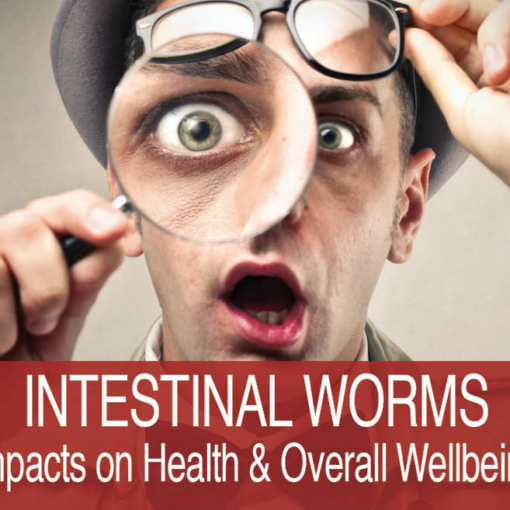
I’ve been trying to wriggle my way out of perpetually presenting on this topic. I guess, like the poor patients afflicted by them, theses stories and my preoccupation with how to help, has kept me awake many a night and once apparently ‘resolved’, returned on many an occasion…every time, in fact, I hear another heart-breaking story of a child with a chronic infestation that is ‘slipping through the gaps’ in diagnosis, support and successful management. This recording brings together all the very latest research with the most explicit prescriptive protocols (CAM & pharmaceutical) with one of my patient cases that has so much to teach us all. So this is the last time (yes the last time 🙄, hold me to it!!!) I’ll be releasing a talk on the little critters: Enterobius vermicularis.
Are you faced with families coming undone because of one child’s behaviour – whether that’s aggression, emotional lability or just serious sleep problems? Are you treating patients with recurrent or treatment-resistant Dientamoeba fragilis?
Enterobius vermicularis is more commonly known as Threadworm and is a pervasive issue that remains frequently mis- or un-diagnosed in children and adults. In this 1 hour presentation we will look at chronic manifestations, how threadworms negatively heath across the board. We look at the very latest research not just on the impact of these sometimes insidious infestations but also the very latest on complementary medicine treatments and the potentially important role for pharmaceuticals. As practitioners, we don’t currently have all the solutions but we need to keep the conversation going, as we continue to encounter patients with pervasive problems that can bring the world and wellbeing of a little one (and their family) quite undone. This is the final (fingers crossed!) instalment on the topic of Enterobius from Rachel and constitutes the culmination of all the years of research & experience, into her most detailed discussion yet.
Click here to add Intestinal Worms – Impacts on Health and Overall Wellbeing to your online RAN Library.
Here’s a newsflash for absolutely no one, we’re all practising healthcare in racially diverse communities, right? Take Australia for example. At last count, at least 1 in 4 were not born here and of those who were, 3% are indigenous and many many more come from migrant families. This spells DiVeRSIty. Yet our pathology reference intervals are a whitewash, frequently derived from in-house samples that stratify by gender and age but not race, or adopted external data from predominantly Caucasian countries. Think it doesn’t matter? It does. I learnt this as (almost) always…on the ground.
I have had the privilege of mentoring health professionals in South East Asia for several years but in hindsight, I can see I was under-cooked for the role: Almost every patient these professionals discussed with me, had a vitamin D result that made me feel faint at their ‘rickets-like readings’.
“But all our patients have blood levels like this, that’s normal here”, they reassured me.
And of course, they were right.
I hit the books science databases to find out more and sure enough, new evidence has emerged of racial differences in relation to vitamin D binding and therefore definitions of ‘adequacy’ in terms of blood levels of 25(OH)D, and this has been particularly well documented amongst SE Asians Gopal-Kothandapani et al., 2019 But who of us knows this outside of that region? When we see patients of this background, are we alert to the strong genetic differences that drive different Vitamin D metabolism and therefore redefine healthy, or are we incorrectly comparing them to Caucasian Cohorts?! I have to confess in the past I’ve done the latter 🤦♀️ So what else are we over or under-diagnosing or just plain misunderstanding, in our patients who are not Caucasian? Chances are quite a lot. But the more I’ve dug into the topic, looking at racial differences in pathology markers, the more complex it gets, with plenty of conflation for example with increased rates of certain diseases. So it’s not an easy answer, granted, but that shouldn’t stop us from trying to achieve better clarity, for us and our patients.
We all pat ourselves on the back because we’re across the understanding that a healthy weight is defined differently depending on your racial background, we’ve nailed (hopefully!) the whole ‘healthy BMI < 23 in Asian populations and the smaller WC cutoffs’…but really…there’s so much more that needs to be done.
Want to be on the front foot with critical pathology interpretation? Join the club!
There is such a groundswell of naturopaths, nutritionists, physical therapists etc working in integrative health that are ‘lab literate’. It appears to be a combination of both a choice and consumer expectation. With patients thinking, surely, we can make sense of those numbers on the page that remain a mystery to the patient…and tbh to some doctors!? We should. We’re currently halfway through our 6 month long MasterCourse in Comprehensive Diagnostics which is custom-built for this context. It has been incredibly well attended and well-received to date and we’re excited about the amazing content that Rachel has had to redevelop along the way. If you missed out on the actual live classroom experience…your chance is coming soon. Promise. Your DIY Diagnostics version will be released at the end of this year. Let us know if you’re keen by sending an email to [email protected], and we’ll put you on the ‘first to know’ list.
I think I’m finally able to put my ‘late-90s-Creatine-frontline-trauma’ behind me. Back then, like many good nats in training, I was working the trenches of the health food stores and was faced on a daily basis with two types of men with two types of Creatine questions. The first type was scrawny and would ask, ‘will taking this help me build muscle?’, the second, built like the proverbial brick *&#@ house, asking, ‘will it help me build more muscle?’ Cue, eye roll. Come on… any of you current or ex apothecaries, pharmacy or retail assistants…you know exactly what I’m talking about!!! So deep was this trauma that I put Creatine as a supplement, into the ‘strictly sports folder’ in my brain (the bit in the deep dark back with other rarely accessed items) and never gave it much thought when I left retail and moved exclusively into private practice. Even back when I was a sub-editor for the Braun and Cohen 4th edition, it was apparently still too soon.
A great colleague of mine, Emily Bradley, had written the chapter on Creatine and, in doing so, presented compelling case to reconsider this supplement as offering great therapeutic potential well outside of the sports-field. That one was accidental 😂
I actually remember reading that chapter, especially the sections on Creatine supplementation for neurological & psychiatric conditions and thinking….WOW…who knew?! ??!! Well, clearly Emily for one 🙄 and also every author and researcher whose work she had read…so that made quite a lot of people actually! But another [ahem 😳] several years had to pass before the research into Creatine and the argument that this has been a grossly over-looked CAM option in mental health, beat down my door and finally got my full attention. Better late than never. And boy, do we all have some catching up to do!
Let’s start with 5 fun facts: 1. Creatine is critical for energy – like cellular currency it ‘tops’ back up our funds, after increased spending, everywhere, including the brain 2. The Brain consumes >20% of our resting energy expenditure & is fifth on the organ list in terms of highest concentration of this molecule 3. Creatine CNS depletion is a thing – and it happens in a wide variety of scenarios – from the seemingly benign (like chronic sleep deprivation) to the more sinister (neurodegeneration) 4. This then leads to higher Glutamate, Oxidative Stress & a spell of other sorts of ‘brain badness’ 5. Oral supplementation can cross the BBB and ‘refuel’ the brain and correct the Creatine deficit
Out of the thousand or so pages of research on this topic, I’ve just indulged in, there are several great reviews to pick from…it’s a tough call to make but perhaps this older one by Patricia Allen remains my favourite. This marks the beginning of a new era…I’m putting the trauma behind me & moving on & hope you’ll come along too!
When we recap the contemporary science of shared pathophysiology in mental health, we have: oxidative stress, impaired neurogenesis, monoamine deficits, glutamate excess, hypometabolism & mitochondrial dysfunction. When we ask researchers which of these supplemental Creatine might be able to assist with, we get hits at each and every point. Turns out, Creatine’s capacity for enhancing performance is not limited to athletes but can be capitalised on for anyone vulnerable to a CNS shortfall. Ignored for far too long, this economic and impactful brain nutrient is coming to the fore for psychiatric and neurological disorders.
The latest Update in Under 30 has landed!!!
You can purchase Creatine – The Brain Builder Part 1here.
If you are an Update in Under 30 Subscriber, you will find it waiting for you in your online account.
You can become an Update in Under 30 Subscriber to access this episode and the entire library of Update in Under 30 audio’s and resources here.
I didn’t catch that Zonulin wave that hit Australian integrative health practitioners a few years back. I think it might have been after Dr. Frassano himself, made an appearance at one of our big conferences. Like the true bloody sceptic I am, I stayed dry on the shore. In fact, I chucked my board in my panel van and drove straight for the library to do some research. Yep…boy do I know how to have fun in the sun 😎 But I am really glad I did.
While I am forever grateful to researchers like Frassano and so many others, who pioneer new perspectives, if not paradigms, in health, I also know that research is a long, long, long road and sometimes we get a little over-excited trying to ‘catch that wave’ too early.
This was especially the case with Zonulin testing.
When I finally left the library about a year later in 2017, I flagged my concerns. As always, my stand was subtle: Mind the Gap with Zonulin Testing. This was my Update in Under 30 offering, encouraging us all to think about this test more critically and make a balanced review of the evidence both for and against it, as a marker of increased intestinal permeability, especially in comparison with the Lactulose Mannitol Test, considered the gold standard of IP assessment.
I also flagged that not every individual has the capacity to make Zonulin no matter how ‘gappy their guts is’…and this was something most struggled to comprehend or accept. But guess what? This fact has now gone mainstream along with even more concerns regarding the inaccuracy of commercial Zonulin testing.
“Three genetic polymorphisms in human haptoglobin expression, Hp1-1, Hp2-1, and Hp2-2, are determined by the HP1 and HP2 alleles harboured by chromosome 16q22. As zonulin is the precursor to haptoglobin-2, individuals who bear the heterozygous Hp2-1 or homozygous Hp2-2 polymorphism are zonulin-producers whereas those with the homozygous Hp1-1 polymorphism are unable to produce zonulin.” But wait, Ajamian et al 2019 has so much more in store for any remaining believers.“In conclusion, the current commercial zonulin ELISA assays investigated in this study detect different proteins, neither of which was zonulin.” Yes, that’s what they found. Two different big commercial kit assays – one from China, one from Germany…neither actually measured zonulin. I am passionate about CAM and passionate about testing…but cautious & concerned about the CAM-Sham that does get peddled to us at times, under the guise of ‘cutting edge functional testing’. Another name for that..unfounded, not yet validated, waste of money and source of possible misdirection for the practitioner. It’s tough talkin’ Tuesday…just sayin’ 🙄
Following the important discovery of the role of intestinal Zonulin in the pathophysiology of coeliac disease our fascination with measuring zonulin in non-coeliac patients suspected of ‘leaky gut’, has moved faster than the facts. It’s time to critically reassess what value, if any, there is in testing serum Zonulin – which patients and when? Let’s talk about its false positives (flagging a IP problem when there isn’t one) and negatives (failing to flag a problem when there is one) and how it compares with the gold standard for detecting increased intestinal permeability, in our patients.
No doubt you’ve heard me refer to the thyroid Abs by their nicknames, TRAb is one I mention often, or Thyroid Receptor Antibody, as its mum calls it, when it’s in trouble. And it’s always in trouble! But TRAb is actually the collective name for several flavours of trouble. What these auto-antibodies share in common is the ability to bind the TSH receptors throughout the body. They differ however, in terms of whether, once engaged, they stimulate this receptor (mimicking the action of the real-deal TSH) or they block it, so that the real-deal can’t in fact dock and do its job. The contrasting consequence is clear: stimulating ones drive up thyroid hormone production, while the blocking variety contribute to low thyroid hormone levels – and what was meaningful was each patients (im)balance of the two to produce a net effect. Because yes…a proportion of patients make both.
In Australia, and many other countries, we previously measured TRAb as a sum total and then specified what fraction was each ‘flavour’ but then the ‘flavours went out of favour’!
So for a long time now, TRAb has been measured, undifferentiated, and the assumption is, they’re stimulating…because this is in fact a) more common and b) the most common reason this test would be referred for…a set of TFTs that look suspiciously on the high-side aka Grave’s disease.
But a new era has dawned, with many mainstream laboratories now opting for the more specific assay: Thyroid Stimulating Immunoglobulins (TSI)* over the old TRAb. Fancy schmanzy, I know. Considered more accurate in the detection of autoimmune hyperthyroidism and in this regard, we’re told we’ve made a diagnostic step forward and nothing has been lost. Except the much less common type of antibodies that bind the TSH receptor only to fill it full of gum so it won’t work. That apparently, due to its low incidence and reduced clinical impact is no longer something worth testing. So consider the TSI results for your patients, the new version of your old (drab) TRAb, with similar cut-offs etc. And remember detectable levels of this may be seen in toxic nodules, and acute toxic Hashimoto’s, as well as prodromal and active Grave’s disease.
AND DON’T FORGET
(and yes, I am screaming because it is so easy to forget!!)
Biotin!! Patients on biotin at the time of the test (even as little as 1mg as part of a formula) can produce False Positives for the TSI!!! And give you and your patient the ‘fright of your life’ with a pseudo hyperthyroid set of labs to match!
Need to read more on this because you’re left thinking WTF about the TSI?!@#%^ Check out Mayo Medical Labs (always a good go-to for info on pathology) or this recent review paper 🙂
*Note TSI does not stand for Turbo fuel stratified injection in this scenario!!
Want to learn all the thyroid antibody alphabet??!! Start Here!
Learn the ropes of Thyroid Dysfunction Assessment & Identification, including all the related thyro-nutrition! Rachel covers the key thyroid parameters both functional & autoimmune (TSH, T4, T3, rT3, TPO, TgAbs, TRAB). As well as the most accurate methods of assessing relevant thyroid nutrients: iodine & selenium & a genuinely game-changing insight on interpretation of these . Finally she pulls all the individual parameters together to illustrate common patterns of thyroid imbalance – making it as easy 1-2-3!…almost!
Did I mention my mentees ask the meanest (!) & most meaningful questions? Especially those early career practitioners engaged in our New Grads program! And it’s been almost a whole month minute since I’ve talked about iron, so I wanted to share this gem from Katherine Geary:
“Why are so many women seriously low in iron? Periods aren’t a modern invention and it seems a bit of a design fault to have half the population dragging themselves around with iron deficiency anaemia! So why is it so common, even in women who seem to have reasonable dietary intake and low/average menstrual blood loss?”
Well I am so glad you asked! And not because I or anyone has the definitive answer. But there are some excellent voices joining in this conversation about how iron nutriture has seemingly become the collective female Achilles and how, in fact, this might be, as opposed to a ‘design fault’…wait for it…an evolutionary advantage! Particularly hard to believe I bet for those of us ‘dragging ourselves around with iron deficiency anaemia’…to contemplate that this makes you, in fact, some kind of Superhero! But let’s back up there a bit. Firstly, in light of iron being the 4th most common element on earth and concurrently the number one micronutrient globally we struggle to stay replete in…the contradiction is striking. Add to this the fact that while women and children of developing countries experience higher rates of deficiency & IDA, those of us living the ‘good life’ in the top pastures of the developed ones, are still affected at strikingly high rates. Katherine’s right of course, periods are not new…so have the rates of iron deficiency always been so high, or if not, what’s changed?Well, a few things.
As so often seems to be the case 🙄 most of the finger-pointing is at the problem child period: the Agricultural Revolution. This radical shift in diet, away from meat towards cereals, is a clear contributor.
And then came the infections. Both the GIT ones, with bacteria (not naming any names, H.pylori!) parasites & helminths etc getting cosy and cohabiting inside no-longer nomadic humans (stealing even more of our precious iron) and then following on as well, the rise of infectious illnesses, flu, smallpox, malaria, TB, etc. [Ok this is the bit where you can don your cape!] If you have one of the latter, then having one of the former can be really handy! Let’s say this another way. Iron deficiency is considered protective against the infections that can kill.
That’s why we see that characteristic sequestering of iron during any significant inflammation in our patients – ferritin rises because in fact as much iron as possible has been removed from the blood…because our infectious foes are fans of ferrous (not Ferris..😳)
Authors like Denic and colleagues contend therefore that “humans may have ‘failed to adapt’, genetically and culturally, to continuous deficiency of iron because relative iron deficiency was protective against many infectious diseases”. So next time you find yourself cursing the ‘dragging feet deficiency’, perhaps rather than our Stone-Age genes we can blame the blinkin’ Agrarian ones! It’s food for thought. Add to that, other major changes in the lives of women over time, like more time menstruating, both with a tendency to earlier menarche and significantly less cumulative time pregnant over our lifetime but I am sure there are many other theories out there. Have you got one?
Love Getting Answers to the Iron Questions That Bug Us All? Us Too!
Hence, The Iron Package
That’s why we’re often adding new tools and resources to our Iron Package for that very reason! Already, this package provides you with an opportunity to take a significant step up with regard to identifying, lows, highs and everything in between of iron status, and how best to manage deficiencies..our number one bug bear (as per above)! So if you’re not already a proud (iron) package practitioner, maybe there’s no time like….now?
About 15 years ago I was introduced to histamine, the neurotransmitter. Before that, I only knew him (come on…it has to be, right? Histamine) as an immune molecule, an allergy mediator, a chemotactic agent of chaos! Given my interest & previous work in mental health, I knew the rest of the chemical cast pretty well. There was Sunny Serotonin, Dance-Party Dopamine, Nervous Noradrenaline &Go-Go Glutamate. So it came as a bit of shock to realise that an equally important member of this cast had never had a mention in all my previous education…
‘Hype-Guy Histamine’
With 64K neurons dedicated to its production & an extensive axon network all over our brains to ensure its excitatory effects are felt everywhere…I was a bit embarrassed we hadn’t met sooner! I’m not Robinson Carusoe in that regard though, our awareness and recognition of this key neurotransmitter has been snail-like in its pace and progress. A recent review paper on the development and evolution of antihistamines kicks off the conversation with, ‘Oh, so histamine is just another neurotransmitter now’…which gave me a bit of a laugh. Seems like we were all duped…even the dudes making the drugs to block it! But once I did meet Histamine, the neurotransmitter, it really did change my clinical practise, forever. And as I have gotten to know him better and better over the last 15 years, how his excesses and deficiencies present in my patients and how best to manage these, I can confirm, it is far from the answer to every patient’s prescription for mental health but this an imbalance is evident, addressing it is exceptionally effective and I remain forever grateful to those that have contributed to my learning in this area, passing on the knowledge from its originators: Car Pfeiffer & Abraham Hoffer. These pioneers of orthomolecular psychiatry gave Histamine a platform and presence that no one else had or would for decades still to come.
And now every practitioner and their pet poodle seems to want to talk about Histamine! But, my friends let me tell you, CNS Histamine imbalance has little to do with eating tuna, umami flavours and the state of your gut!
Hype-Guy Histamine is made on-site, in your brain. We don’t import it in over the BBB mountain range. So, in terms of a histamine imbalance in your neurochemistry, we need to narrow in on the noggin and get crystal clear about what could be behind such an imbalance and therefore how to tailor treatment to address each cause. I owe a lot to those who first taught me this model and I think it’s time the model had a mini-makeover, thanks to our vastly improved understanding of Histamine, methylation, genes, mast cells, behaviour driven biology etc etc. etc. that has been generated now mainstream medicine has finally met Histamine, the neurotransmitter! 🥳🥳 And now, be warned folks, contemporary psychiatric pharmacy has its sights set on histamine as a key target for new medication development and the improved management of mental health. Better late than never, I guess. Have you met your Hype-Guy Histamine?
Histamine Imbalances in Mental Health About 15 years ago I was introduced to Histamine as a neurotransmitter. Not the allergy mediator or the ‘basophil baddy’ but rather this prolific and potent neurochemical we all produce in our brains which, in the right amounts, regulates almost every biological rhythm, helps with memory and mood & much more. Being able to recognise excesses or deficiencies of CNS histamine in mental health presentations and, ever since then, fine-tuning my ability to support patients with these, has changed my practice forever and has been the key to some of my patients’ greatest recovery stories. Forever grateful to the pioneers of this model, 70 years on, the model is ready for a mini-makeover, to bring it in line with the current scientific understanding of histamine, methylation, genes and much more. This recording, together with two hugely helpful clinical resources, will give you the confidence to recognise and remedy this important imbalance in mental health.
The latest Update in Under 30 has landed!!!
You can purchase Histamine Imbalance in Mental Healthhere.
If you are an Update in Under 30 Subscriber, you will find it waiting for you in your online account.
You can become an Update in Under 30 Subscriber to access this episode and the entire library of Update in Under 30 audio’s and resources here.